

How We Get Fentanyl Off the Streets
From the Jul 23, 2024 e-EditionAmerica is facing a crisis that is forcing families to grapple with the heartbreaking effects of addiction. Cartels are smuggling fentanyl – a synthetic opioid – into our country and flooding communities from coast to coast with the deadly drug.
Last year, U.S. Customs and Border Protection (CBP) agents stopped 27,023 pounds of fentanyl from entering our country. That same year, the U.S. Drug Enforcement Agency (DEA) seized more than 77 million fentanyl pills and nearly 12,000 pounds of fentanyl powder.
To put that into perspective, that is enough fentanyl to kill every single American.
A deadly dose of fentanyl is considered to be two milligrams, roughly equal to 10-15 grains of table salt or the amount that would fit on the point of a sharpened pencil. According to the DEA, fentanyl is 50 times more potent than heroin and 100 times more potent than morphine.
Tennessee is now ranked fourth in the nation for the highest number of overdose deaths caused by synthetic opioids, and nearly 80% of drug overdose deaths in Virginia involve fentanyl. Fentanyl is killing Americans at record-high rates. This is a crisis that has touched every corner of our country.
Before coming to Congress, one of us served as a U.S. attorney, the other as a federal law enforcement officer and CIA case officer. Our combined experience gives us critical insight into investigating and prosecuting drug dealers, as well as working narcotics trafficking cases and tracking cartels.
We know well the harm that the criminal manufacturing of these drugs on a mass scale can bring to our communities, to our neighbors, and to their families. We also know that Congress must do more to prevent illicit substances – like fentanyl – from being sold on our streets.
That is why we are working together to crack down on narcotics traffickers who use illicit pill presses to manufacture counterfeit drugs.
DEA laboratory testing indicates that 7 out of 10 counterfeit pills contain a potentially lethal dose of fentanyl. Counterfeits made in the United States typically use pill press machines that can easily be purchased online and – depending on size and capacity – can manufacture anywhere from 1,800 pills to more than one million pills per hour.
Many of the pill presses shipped to the United States come from China. The U.S. Treasury Department has imposed sanctions on numerous Chinese entities for allegedly distributing pill presses and other equipment used to manufacture illicit fentanyl in the United States. Recently, under "Operation Artemis," CBP officers at John F. Kennedy International Airport in New York seized 14 pill press machines in five separate shipments that arrived from China.
In the United States, pill press laws at the federal level are limited, and state laws are generally weak or nonexistent. Federal law currently prohibits the sale, possession, and use of unregistered pill presses. However, the registration process relies heavily on self-reporting, usually during the sale and transfer of machines.
For instance, thousands of pill press machines have been sold through eBay, contributing to the current crisis. Current law also states that any person who possesses a pill press machine with the intent to sell shall be sentenced to a term of imprisonment of not more than four years, a fine or both. We believe that the criminals who manufacture and traffic these deadly drugs should face clearer, harsher penalties.
For more than four years, we have led bipartisan legislation to make possession of a pill press mold with the intent to counterfeit schedule I or II substances a federal crime. Specifically, our Criminalizing Abused Substance Templates (CAST) Act would allow for criminals who possess a pill press and are planning to manufacture counterfeit pills – whether they have yet to do so or not – to be imprisoned for up to 20 years.
By enacting this change, we would empower our law enforcement officers to crack down on these criminals and help save the lives of countless Americans.
While we may represent vastly different districts, we hear common stories – of Americans struggling with addiction, getting on the road to recovery, and of unimaginable grief. We’ve heard from too many heartbroken parents who have lost their children to an overdose.
In 2022, officials warned against "rainbow fentanyl" – fentanyl pills and powder that come in a variety of bright colors, shapes and sizes. The influx of these pills was an intentional effort by drug dealers and cartels to get American children and young adults hooked on opioids by making them look like candy.
By punishing the criminals who use pill presses to make counterfeit drugs, we can take a momentous step forward in our effort to get fentanyl and other deadly drugs off our streets and out of our children’s hands. One death is one too many.
In the e-Edition
McKenzie Banner July 23, 2024
Jul 23, 2024 · Read the full issue →
Related Stories
West Carroll Students Attend "Flip the Switch" at Solar Farm
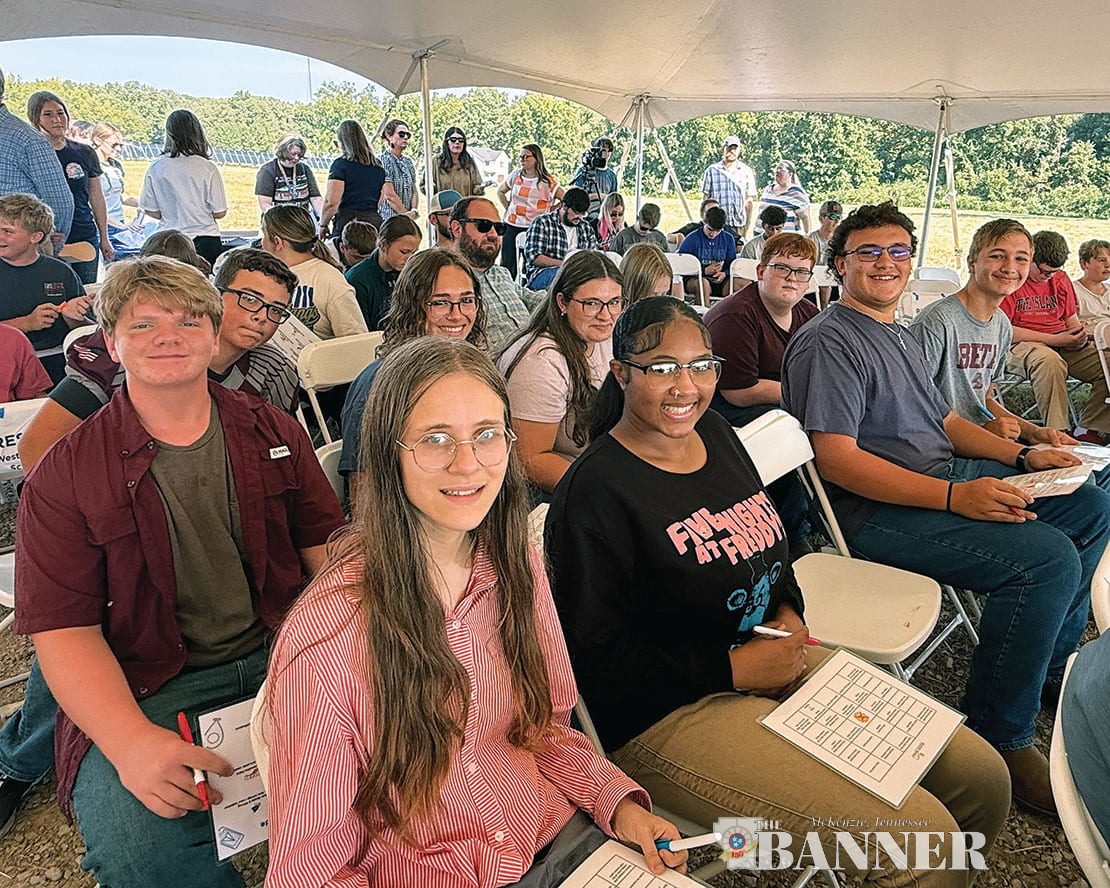
West Carroll students had the opportunity to be part of an exciting moment for our local community this week as they attended the Trezevant Solar Farm “Flip the Switch” event!
Sep 13, 2026

Cash Express Honors McKenzie’s First Responders
McKENZIE (September 11) — On Friday, Cash Express honored McKenzie Police (MPD), McKenzie Fire & Rescue (MFD), and Baptist-Carroll County Ambulance first responders with cakes decorated with the American flag and cards signed by McKenzie businesses thanking them for their…
Sep 11, 2026
Trezevant Solar Farm Flip-the-Switch Event Happening Now
Carroll County Electric Department (CCED) and Tennessee-based Silicon Ranch , owner and operator of one of the nation’s largest fleets of solar facilities and a community-focused energy infrastructure company, invite you to attend a “Flip-the-Switch” ceremony for the new…
Sep 10, 2026
McKenzie Council to Consider Planning Commission Appointments
McKENZIE — The McKenzie City Council will meet Thursday, September 10, at 6 p.m. with a Tennessee Volunteer Firefighter Equipment and Training Grant and two appointments to the McKenzie Planning Commission among the items on the agenda.
Sep 8, 2026