

Editor's Note: Repeated by Popular Demand, History Moment
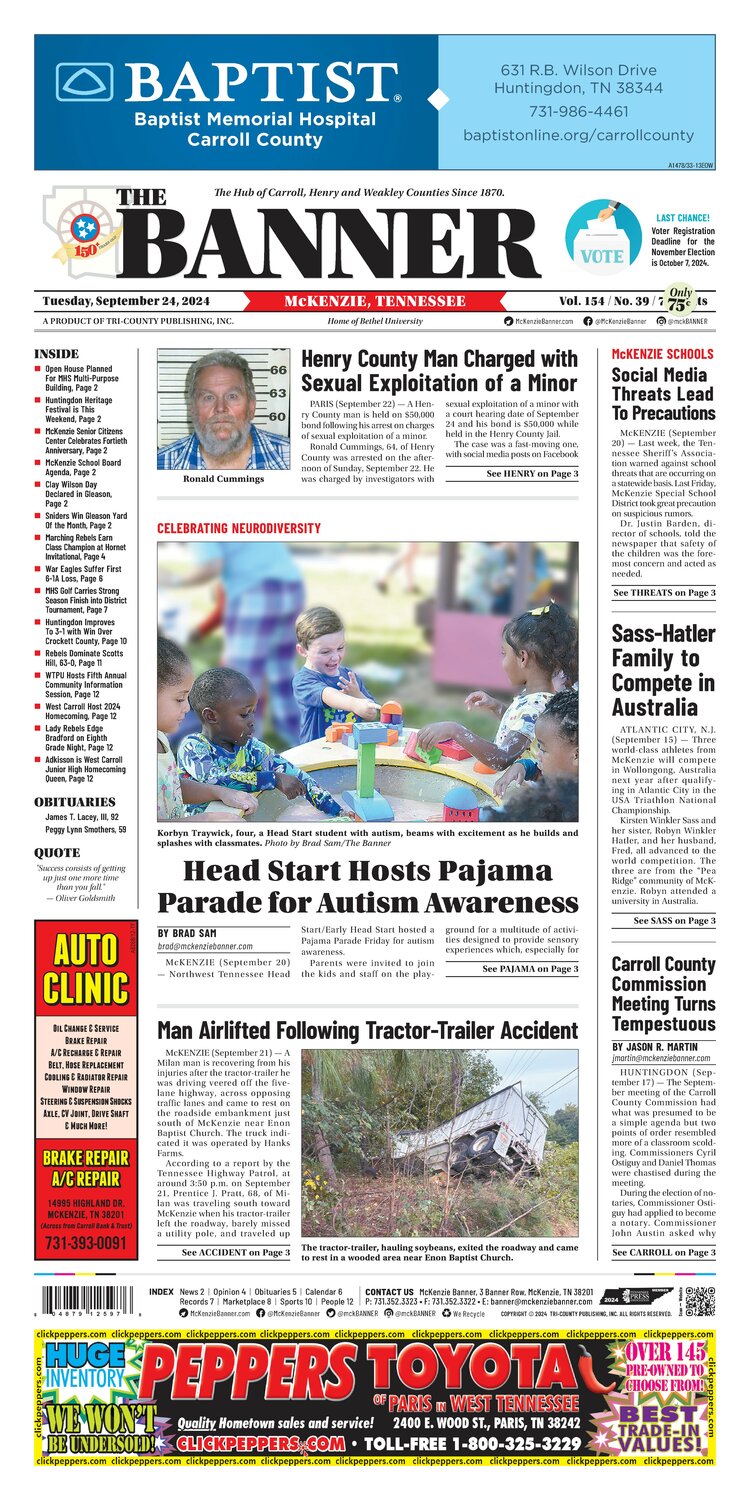
From the Sep 24, 2024 e-Edition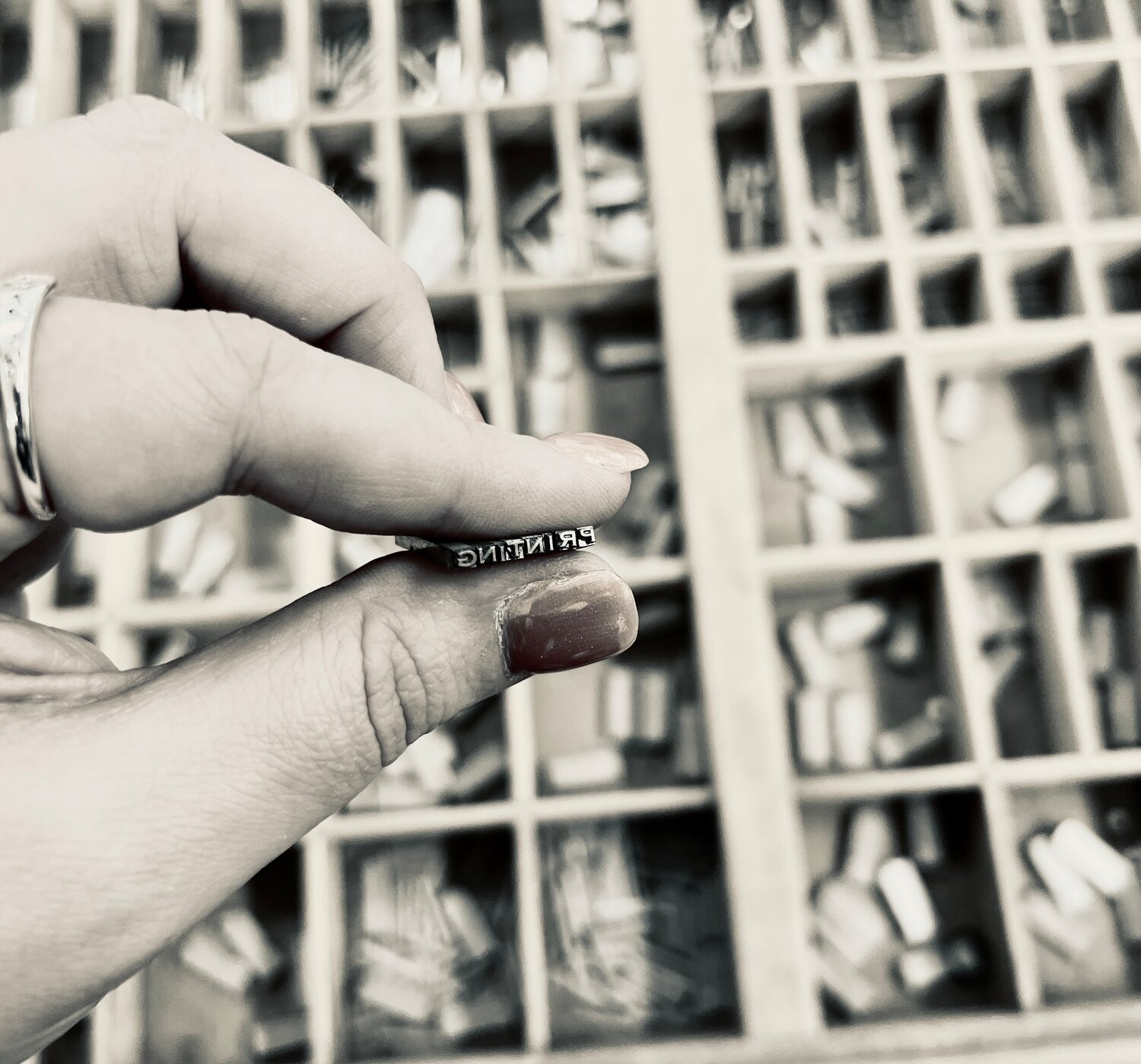
OOPS! Page 4 of the September 24 edition is from September 3, 2024.
I don’t think this has happened in more than a decade, but we are human, just like everyone else and we all make mistakes from time to time. To rectify the situation, we have made the e-edition free this week, it includes the correct page 4, click here to read the September 24 Edition now.
We hope you will join us in laughing off this error and moving forward. Thank you for your patience and understanding.
Fun Fact:
Back in the 40s, 50s and early 60s before the newspaper moved to offset printing, a newspaper page may have been “repeated by popular demand” because someone didn’t “lock the page” before moving it and thousands of letters of type (and hours of work) fell into the floor... on deadline.
Back then, making each newspaper page required a lot more time.
Newspaper employees would set the type by hand, every letter, every sentence, backwards, to form a newspaper page and lock it into the “chase” (a heavy steel frame that holds type in a letterpress).
The chase was then carried to the printing press, ink is applied to the lead type and, similar to the concept of a rubber stamp, the words are transferred to the page, the page is then set out to dry. It took days to make a newspaper.
Side note: We still have cases of lead type here that hold tiny letters and two of the old presses (non-operational now).
When the linotype was invented, it saved time and cut down on the number of employees needed to make a newspaper, by allowing one person to type in the lines of type and the linotype would melt down lead “pigs” or bricks, to pour molten lead into the letter moldings, the machine would spit out lines of type that could then be set into the… you guessed it… chase and locked in.
In 1963, The McKenzie Banner switched to offset printing (the press was located in McKenzie where Sunrise Cafe is currently). Offset printing is a photographic process.
Offset printing is a printing method that uses a rubber cylinder to transfer an inked image from a plate to paper. The process is based on the principle that water and oil don't mix, so ink can be applied to areas of the plate treated with grease, while water-based film is applied to non-image areas.
I remember the large camera that sat in the middle of our building downtown. In the late 80s and early 90s, the news pages were assembled on large graph paper-like pages that had the news stories “pasted” on them with something similar to a glue stick, but less permanent. The stories were typed, printed and then pasted up.
Then those pages were photographed with the huge camera and negatives were printed from that.
When I was little, I “helped” blot out the white dots that weren’t supposed to be on the negative pages. The large negatives of the newspaper were then transferred to the printing press in Huntingdon.
In 2012, during a renovation of our building, the large camera was removed. I kept a piece of it and made a father’s day gift for my dad that year.
As computers got more advanced the middle men in the process were eliminated. Page layout has moved from molten lead to all digital, sending PDF files to the printing press in Union City.
Today, we laugh at this momentary lapse while paying homage to the people who made the magic happen back when it was hard work.
Thank you for your service.
Brittany (Washburn) Martin, publisher
P.S. Then and now, we still get our hands completely covered in ink as we stuff the inserts into each newspaper and apply the labels by hand. Some things never change.
In the e-Edition
McKenzie Banner September 24, 2024
Sep 24, 2024 · Read the full issue →
Related Stories
West Carroll Students Attend "Flip the Switch" at Solar Farm
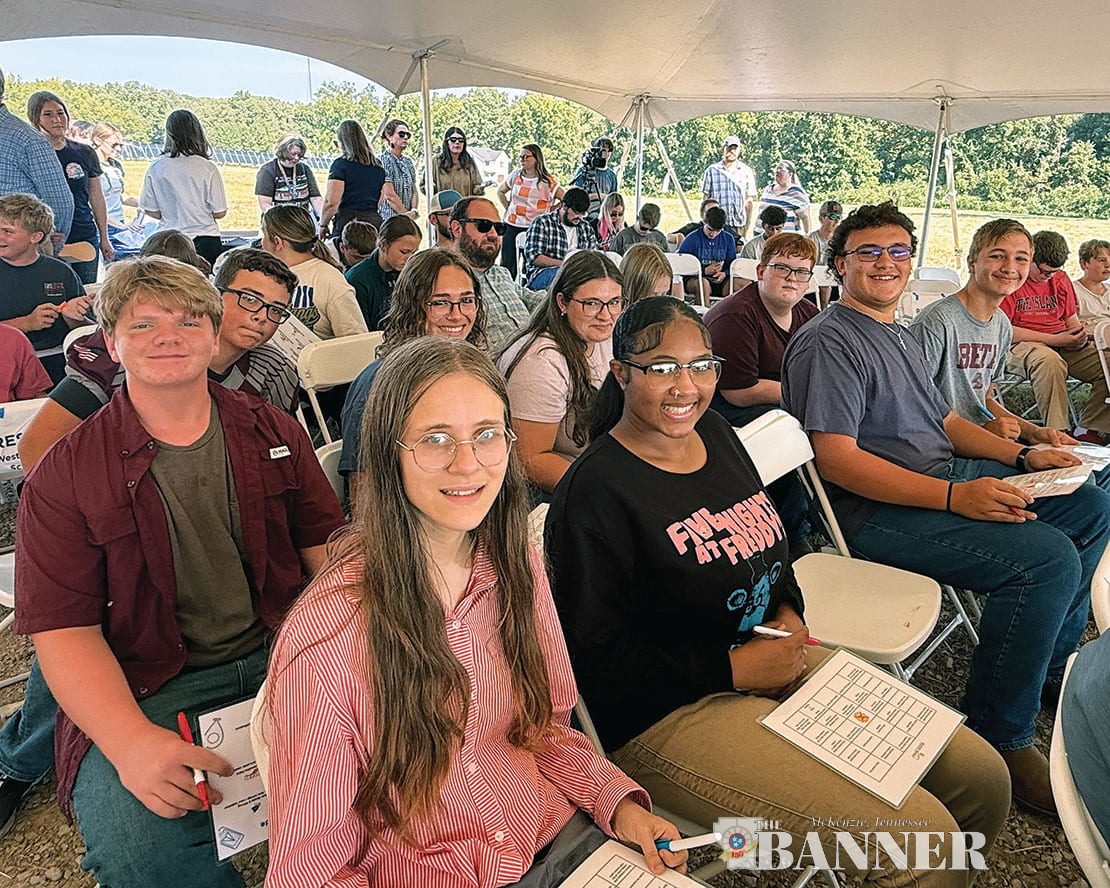
West Carroll students had the opportunity to be part of an exciting moment for our local community this week as they attended the Trezevant Solar Farm “Flip the Switch” event!
Sep 13, 2026

Cash Express Honors McKenzie’s First Responders
McKENZIE (September 11) — On Friday, Cash Express honored McKenzie Police (MPD), McKenzie Fire & Rescue (MFD), and Baptist-Carroll County Ambulance first responders with cakes decorated with the American flag and cards signed by McKenzie businesses thanking them for their…
Sep 11, 2026
9/10/26 Episode of Guys Talking Football with Russell Bush and Eric Swenson Podcast is Live Now!
Introducing a new-to-The Banner weekly podcast titled, "Guys Talking Football" with Russell Bush and Huntingdon High School Head Football Coach Eric Swenson. Russell Bush is a sports writer and photojournalist for The Banner with over 25 years of experience. Russell joined The…
Sep 10, 2026
Trezevant Solar Farm Flip-the-Switch Event Happening Now
Carroll County Electric Department (CCED) and Tennessee-based Silicon Ranch , owner and operator of one of the nation’s largest fleets of solar facilities and a community-focused energy infrastructure company, invite you to attend a “Flip-the-Switch” ceremony for the new…
Sep 10, 2026