

Brock Martin Addresses Legislative Issues
From the Feb 18, 2025 e-EditionHUNTINGDON (February 14) — State Representative Brock Martin kicked off the annual Capital Talks sponsored by the CC Chamber of Commerce on Friday, addressing key legislative issues, including the Education Freedom Act, state budget allocations, and upcoming legislation. The event also recognized Youth Leadership Carroll County participants, with students later posing questions during the Q&A session.
A significant portion of the discussion focused on Martin’s vote in favor of the Education Freedom Act, which expands school vouchers statewide. Several attendees questioned the decision, particularly regarding its impact on rural public schools.
Huntingdon Public Safety Director Walter Smothers asked, “How do you justify voting for that when so many of your constituents were opposed?”
Martin said that while vocal opposition existed, private conversations revealed more divided opinions. “I started getting texts and emails from people who said they weren’t able to outwardly support it, but they did,” Martin explained. He estimated that support and opposition were closer to 50/50 than overwhelmingly against.
Dr. Myles Hebrand strongly opposed the legislation, stating, “Public funds should go to public schools. Parents have always had a choice in where they send their kids, but this takes money away from the system meant to serve everyone.”
Martin countered that the bill’s funding mechanism prevents money from being pulled directly from public schools, arguing, “This is a pilot program funded through the general fund, not through TISA, and it allows us to test the concept while maintaining financial stability for public schools.”
Concerns were also raised about the $2,000 teacher bonuses included in the bill. The funding requires local school boards to pass a resolution accepting the funds, which some criticized as undue pressure on districts.
“It feels like political coercion,” one educator remarked. “Districts that oppose the bill have to sign on or risk denying their teachers extra pay.”
Martin denied that the resolution was intended as a pressure tactic, saying, “It’s simply a way to ensure the money goes directly to teachers rather than being absorbed into district budgets.”
Concerns Over School Funding and Enrollment Decline
Dr. Justin Barden, director of McKenzie Special School District, raised concerns about long-term funding for rural schools and what happens when enrollment declines below sustainable levels.
“Once a school drops below a certain enrollment, it’s nearly impossible to recover funding,” Barden said. “At some point, rural schools will be forced to consolidate, and I don’t see a real plan to prevent that.”
Martin pointed to the bill’s funding floor provision, which guarantees a minimum funding level despite enrollment changes. However, he acknowledged the risk of school closures over time.
“This isn’t a two- or three-year issue. This is a 10-year issue,” Martin said. “We’re going to have to keep refining the policy and make sure rural schools aren’t left behind.”
Other Legislative Issues
Beyond education, Martin discussed several legislative priorities, including:
A rural ambulance reimbursement bill, updating rates that have remained unchanged since 2006.
$1 billion in new road funding, which Martin said was still insufficient to meet infrastructure needs.
Energy investments, including research into small nuclear reactors to meet growing electricity demand.
Affordable housing initiatives, with $60 million allocated to a starter home revolving loan fund to incentivize rural development.
Support for law enforcement, with $130 million directed toward police resources.
As the meeting concluded, the divide over the Education Freedom Act remained evident. While Martin maintained that the bill provides safeguards and options for families, local educators and officials continued to question its long-term effects on rural schools. Concerns over enrollment decline, funding stability, and the exclusion of some educators from teacher bonuses remained unresolved. The discussion underscored broader tensions over education policy, leaving both supporters and critics looking ahead to how the law will play out in practice.

In the e-Edition
McKenzie Banner February 18, 2025
Feb 18, 2025 · Read the full issue →
Related Stories

West Carroll Students Attend "Flip the Switch" at Solar Farm
West Carroll students had the opportunity to be part of an exciting moment for our local community this week as they attended the Trezevant Solar Farm “Flip the Switch” event!
Sep 13, 2026
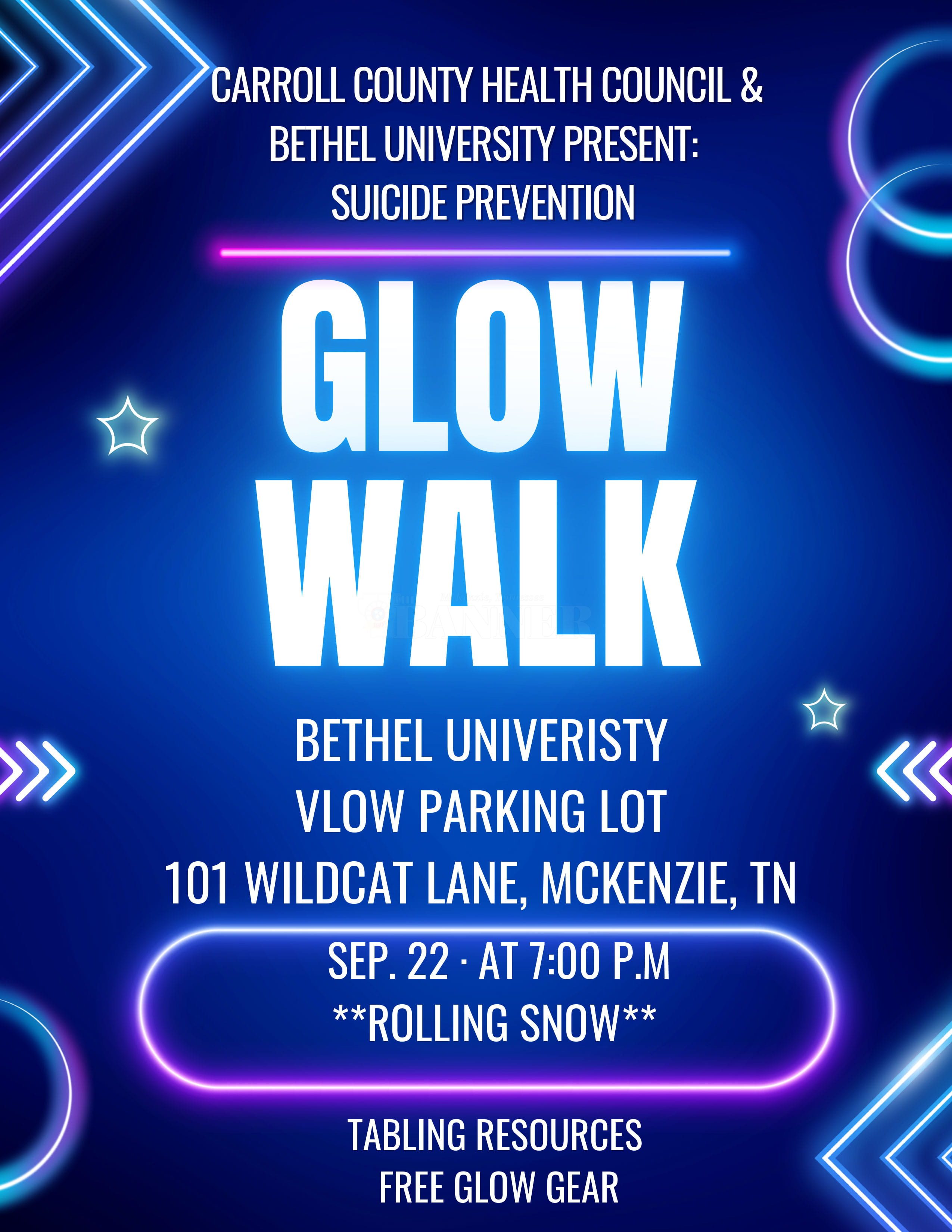
Glow Walk to Bring Awareness, Prevention of Suicide
McKENZIE, Tenn — The Carroll County Health Council, in partnership with Bethel University, will host a Suicide Prevention Glow Walk on Tuesday, Sept. 22, at 7 p.m. to raise awareness and bring community members together in support of suicide prevention.
Sep 13, 2026

Cash Express Honors McKenzie’s First Responders
McKENZIE (September 11) — On Friday, Cash Express honored McKenzie Police (MPD), McKenzie Fire & Rescue (MFD), and Baptist-Carroll County Ambulance first responders with cakes decorated with the American flag and cards signed by McKenzie businesses thanking them for their…
Sep 11, 2026
Trezevant Solar Farm Flip-the-Switch Event Happening Now
Carroll County Electric Department (CCED) and Tennessee-based Silicon Ranch , owner and operator of one of the nation’s largest fleets of solar facilities and a community-focused energy infrastructure company, invite you to attend a “Flip-the-Switch” ceremony for the new…
Sep 10, 2026