

McKenzie High School Celebrates Black History
From the Mar 11, 2025 e-Edition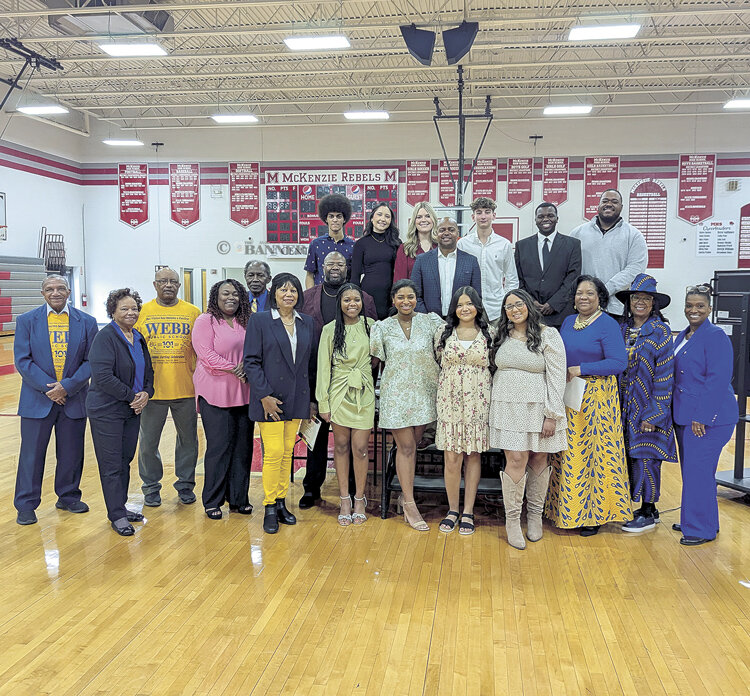
McKENZIE (March 4) — McKenzie High School’s Minority Council hosted its annual Black History Celebration in the school gymnasium, recognizing the contributions of African-Americans locally and nationwide. The event featured historical reflections, student speeches, musical performances, recognitions and a keynote address emphasizing the power of making a lasting impact.
The MHS Minority Council, which sponsored the event, is led by President Jaylin Taylor-Megaw, Vice President Carlton Townes, Secretary Zeyda Scates and Treasurer Aleecia Williams. Several McKenzie High School students played a key role in the event, delivering speeches and reflections on Black history and its significance today. Student speakers included Emma Haynes, Destiny Huitzache, Alejandro Juarez, Zayda Scates, Aleecia Williams, Carlton Townes, Jaylin Megaw and Sophie Cole.
Webb Alumni Executive Board members were recognized for their efforts in preserving African-American history in McKenzie. Those honored included National President Ike Gilbert, Previous National President Neal Williamson, Second Vice President Hugh Williams, Treasurer Rosetta Vaughn, Financial Secretary Kimberly Bell Webb, Secretary Brenda Smith and McKenzie Chapter President Sandra Gilbert. Each was acknowledged for their commitment to maintaining the school’s history and supporting local education initiatives.
The event also honored African-Americans who have made significant contributions to McKenzie’s history across education, athletics and law enforcement.
When Webb School integrated with McKenzie Schools in 1965, Ruth Gilbert and Sharon Oglesby were the only two African-American students to enroll in elementary school. Their presence marked the beginning of a lasting impact on the local education system.
Over the years, African-American educators played a key role in shaping McKenzie’s schools. Erma Sims taught mathematics, Russell Glenn taught English, and Geneva Bledsoe, June Murray, and Sarita Woodard Oglesby contributed to elementary education. Ms. Haney led music instruction, while Dorethea Royle became principal of McKenzie Middle School. LaShonda Williams currently serves as chairman of the McKenzie Special School District Board of Education. L. C. Bledsoe, a McKenzie native, became the first African-American high school principal at Trezevant High School.
McKenzie High School also saw historic firsts in athletics and extracurricular activities. Kenneth Oglesby became the school’s first and only African-American male cheerleader and later its first African-American drum major. Sarita Woodard was named the school’s first African-American football homecoming queen.
Julius Sims, the first African-American football captain, secured his place in school history by scoring the winning touchdown in a 23-21 victory over Huntingdon. In track and field, Fred Milton became the first African-American student at MHS to set a high school track record in 1977.
African-Americans have also played a pioneering role in McKenzie law enforcement. Harry Cooper became the city’s first African-American police chief, while Colonel Dereck R. Stewart made history as the first African-American to serve as Colonel of the Tennessee Highway Patrol, leading the agency after 33 years of service.
Guest speaker Dexter Williams, an educator, coach and community leader, delivered a keynote address centered on the idea that true impact is measured not by wealth or recognition, but by the lives one touches. He challenged students to recognize their ability to create change now, rather than waiting for the future.
“Some think making an impact means being famous, making millions or inventing something groundbreaking,” Williams said. “Sure, those things matter. But true impact isn’t measured by how many people know your name—it’s about how many lives you touch.”
He encouraged students to take action in their daily lives, rather than waiting for opportunity. “You don’t need a title, a degree or permission to be great,” he said. “Every one of you has the power to influence the people around you, starting today.”
Williams highlighted historical and modern figures—including Dr. Martin Luther King Jr., Oprah Winfrey, John Lewis, Simone Biles, LeBron James, Coco Gauff and Patrick Mahomes—as examples of individuals who used their platforms to uplift others. “These people didn’t wait for change; they created it,” he said. “You don’t need to be on TV or have a million followers to do the same. It starts with how you treat people, how you stand up for others and how you lead by example.”
He closed with a message on resilience. “Every great leader, every world-changer, has faced challenges, setbacks and doubters,” Williams said. “But what separates them is their refusal to quit. They push forward, believe in themselves and stay committed to their purpose. Don’t wait for the world to tell you who you are—define it for yourself and be the change you want to see.”
A musical performance of “Lean On Me” reinforced the event’s message of unity and perseverance, drawing participation from the audience.
As the program concluded, organizers urged students to take the lessons of Black history and apply them in their own lives. “The history we learned today should not only remind us of the good and the bad times but also help mold the future for a better tomorrow,” one speaker said. “The future is in this room.”
In the e-Edition
McKenzie Banner March 11, 2025
Mar 11, 2025 · Read the full issue →
Related Stories
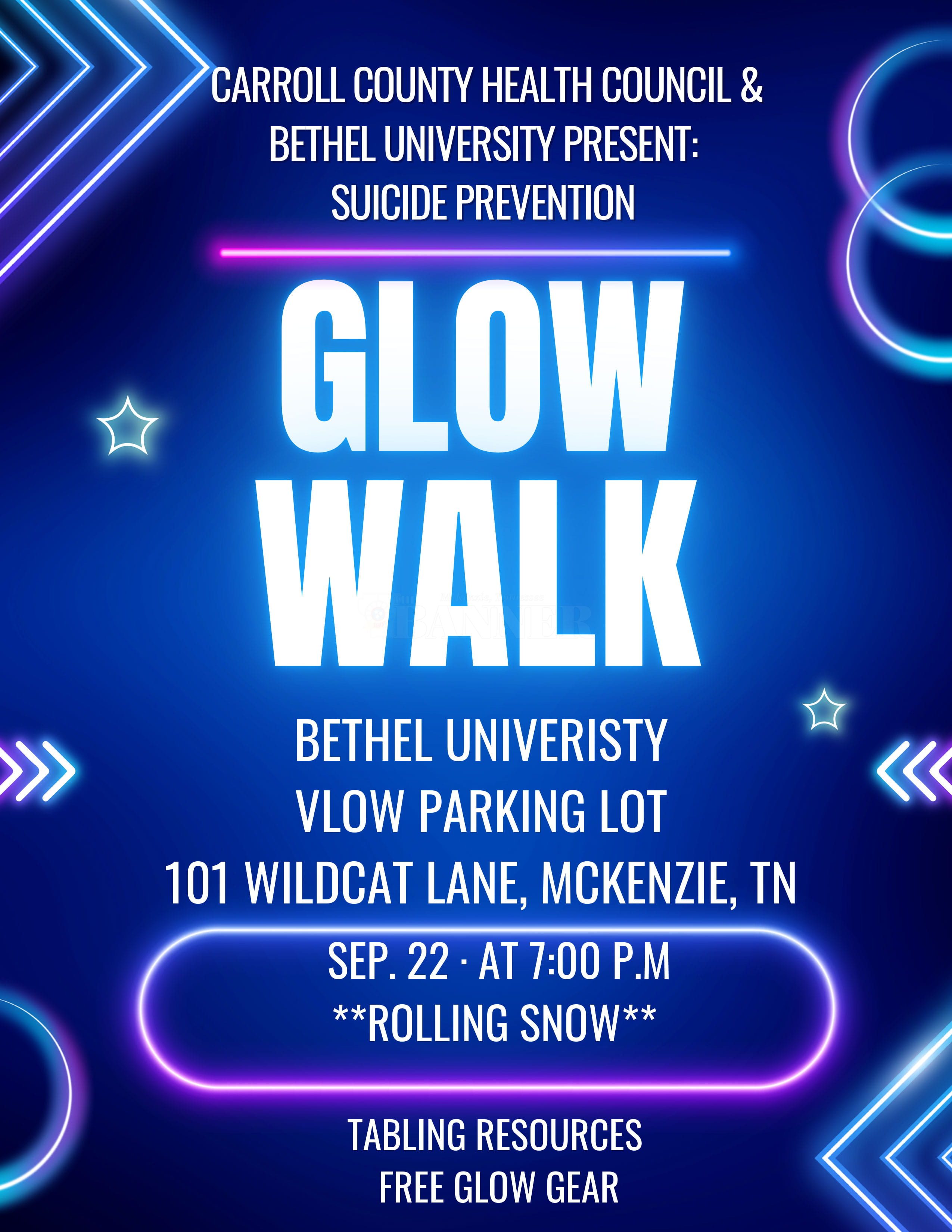
Glow Walk to Bring Awareness, Prevention of Suicide
McKENZIE, Tenn — The Carroll County Health Council, in partnership with Bethel University, will host a Suicide Prevention Glow Walk on Tuesday, Sept. 22, at 7 p.m. to raise awareness and bring community members together in support of suicide prevention.
Sep 13, 2026

Cash Express Honors McKenzie’s First Responders
McKENZIE (September 11) — On Friday, Cash Express honored McKenzie Police (MPD), McKenzie Fire & Rescue (MFD), and Baptist-Carroll County Ambulance first responders with cakes decorated with the American flag and cards signed by McKenzie businesses thanking them for their…
Sep 11, 2026

Wallace and Company Delights Crowd at Park Theatre
McKENZIE (September 3) — The Nights on Broadway concert series relocated inside the historic Park Theatre to beat the heat on Thursday. Wallace and Company delighted the crowd with a mix of classic rock and country music on the McKenzie Banking Company stage. Audience members…
Sep 8, 2026
Paris Landing Arts and Crafts Festival is September 12-13
The 26th annual Paris Lakeway Kiwanis Club Arts and Crafts Festival at Paris Landing State Park features over 115 local and regional crafters displaying and selling their handmade and hand-crafted items. The setting at Paris Landing State Park provides visitors with great views while shopping. There will also be food and beverage vendors, as well as a petting zoo. Admission and parking are free.
Sep 8, 2026