

New Year’s Eve Traditions From Around the World:
From the Dec 30, 2024 e-Edition• Eating 12 grapes in Spain: In Spain, it is customary to eat 12 grapes at the stroke of midnight on New Year’s Eve. Each grape represents a month of the coming year, and eating them all before the clock strikes 12 is said to bring good luck. This tradition dates back to the late 19th century when a bumper grape harvest led to the idea of eating a grape for each chime of the clock.
• Burning the Año Viejo in Ecuador: In Ecuador, people create effigies called “Año Viejo” (Old Year) to represent the past year. These effigies are often filled with old newspapers and firecrackers. At midnight, the Año Viejo is set on fire, symbolizing the letting go of the past year’s troubles and welcoming the new year with a fresh start. This tradition is believed to have originated in the 19th century.
• First-footing in Scotland: In Scotland, the first person to enter a house on New Year’s Day is believed to bring good luck for the coming year. This person is called the “first-footer,” and traditionally, they should be a tall, dark-haired man carrying gifts of coal, shortbread, and whiskey. This tradition dates back to ancient times when the first visitor was seen as a harbinger of good fortune.
• Wearing red underwear in Italy: In Italy, it is believed that wearing red underwear on New Year’s Eve will bring good luck in love and prosperity in the new year. This tradition is thought to have originated in the 17th century when red was associated with good fortune and warding off evil spirits.
• Making resolutions: The tradition of making resolutions for the New Year is thought to have originated in ancient Babylon, where people made promises to the gods at the beginning of the new year. Today, people all over the world make resolutions to improve themselves in the coming year, such as quitting smoking, losing weight, or learning a new skill.
• Watching fireworks: The tradition of watching fireworks on New Year’s Eve is thought to have originated in China, where fireworks were invented centuries ago. Today, fireworks displays are a common sight in many countries around the world on New Year’s Eve, symbolizing the hope and excitement of a new beginning.
• Kissing at midnight: The tradition of kissing at midnight on New Year’s Eve is thought to have originated in England in the 18th century. It is a romantic gesture that symbolizes love and hope for the new year.
• Singing Auld Lang Syne: The tradition of singing Auld Lang Syne at midnight on New Year’s Eve is thought to have originated in Scotland in the 18th century. The song is about the importance of old friends and memories, and it is a fitting way to say goodbye to the old year and welcome the new.
• Carrying a suitcase around the block in Colombia: In Colombia, it is believed that walking around the block with an empty suitcase on New Year’s Eve will bring travel opportunities in the new year. The faster you walk, the more travel you’re likely to experience. This tradition is a more recent one, gaining popularity in the late 20th century.
• Eating Southern Comfort Foods: In the Southern United States, a traditional New Year’s Day meal often includes a combination of foods believed to bring good luck in the coming year. Black-eyed Peas: These are considered lucky because they resemble coins, symbolizing wealth. Collard Greens: The green color represents money. Cornbread: This symbolizes gold. Pork: Pork is often included because pigs root forward, signifying progress.

In the e-Edition
McKenzie Banner December 31, 2024
Dec 30, 2024 · Read the full issue →
Related Stories
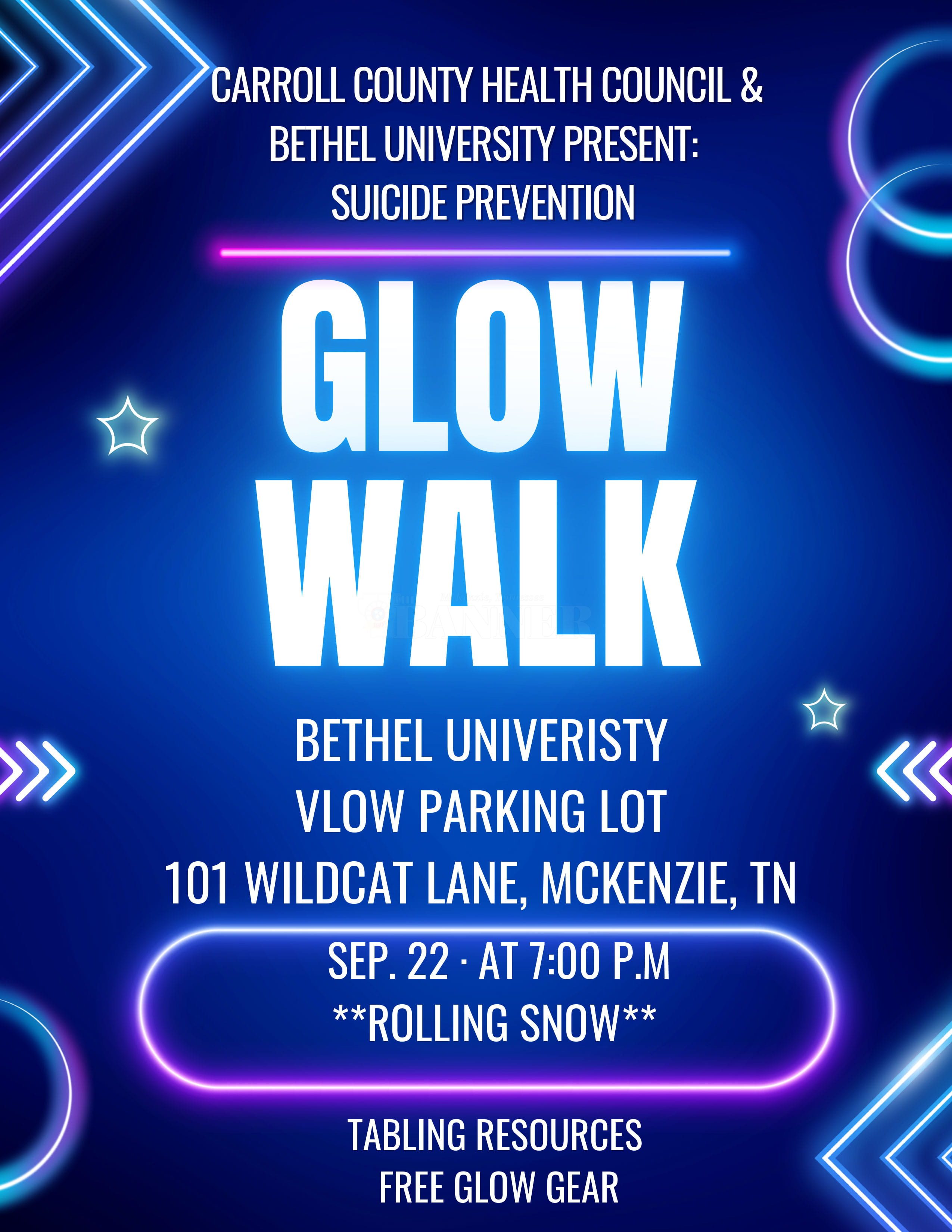
Glow Walk to Bring Awareness, Prevention of Suicide
McKENZIE, Tenn — The Carroll County Health Council, in partnership with Bethel University, will host a Suicide Prevention Glow Walk on Tuesday, Sept. 22, at 7 p.m. to raise awareness and bring community members together in support of suicide prevention.
Sep 13, 2026

Cash Express Honors McKenzie’s First Responders
McKENZIE (September 11) — On Friday, Cash Express honored McKenzie Police (MPD), McKenzie Fire & Rescue (MFD), and Baptist-Carroll County Ambulance first responders with cakes decorated with the American flag and cards signed by McKenzie businesses thanking them for their…
Sep 11, 2026

Wallace and Company Delights Crowd at Park Theatre
McKENZIE (September 3) — The Nights on Broadway concert series relocated inside the historic Park Theatre to beat the heat on Thursday. Wallace and Company delighted the crowd with a mix of classic rock and country music on the McKenzie Banking Company stage. Audience members…
Sep 8, 2026
Paris Landing Arts and Crafts Festival is September 12-13
The 26th annual Paris Lakeway Kiwanis Club Arts and Crafts Festival at Paris Landing State Park features over 115 local and regional crafters displaying and selling their handmade and hand-crafted items. The setting at Paris Landing State Park provides visitors with great views while shopping. There will also be food and beverage vendors, as well as a petting zoo. Admission and parking are free.
Sep 8, 2026