

Sharon Oglesby: A Pioneer of Acceptance
From the Feb 25, 2025 e-Edition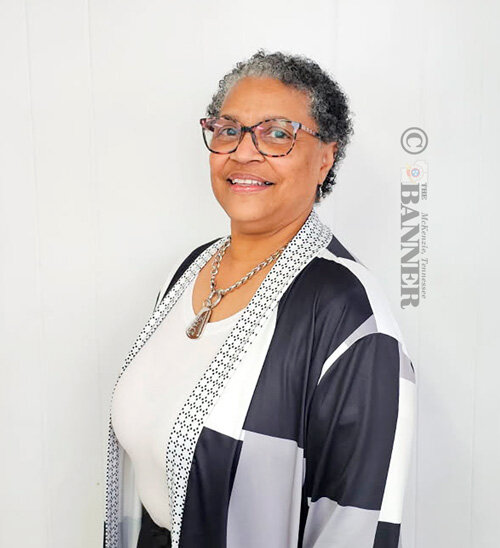
In the fall of 1965, desegregation began in McKenzie schools. A handful of black students in each grade were selected to transfer from Webb School to McKenzie public schools.
One of two first grade students to make the move that fall was Sharon Oglesby. The young pioneer knew little of the historic significance of her entry to McKenzie Elementary School, nor did she recognize the lifelong path of curiosity, acceptance and exploration on which she was embarking.
Oglesby told The Banner, “I remember my parents explaining that the children may receive us and they may not, but it’s not based on them. It’s based on what they heard at home. So I was kind of prepared, but being that young, we didn’t care.“
“My teacher, Caroline Blades, made it a little easier, even though it was a big adjustment.“
Oglesby said she had been expecting to share a class with fellow black first grader Ruth Gilbert.
“Ruth and I were really close, we grew up together and we went in thinking we were going to be in the same class, but she was in a different class.“
“It took a while, but I think some of the children were curious. They wanted to get to know us for who we were. And that kind of helped ease into 'I’m gonna like you because I really don’t see color’. Because at that age, you really don’t know that you’re supposedly different until it’s brought to your attention.”
“I think my teacher had a lot to do with how we were received. I loved her. She was the best teacher. I don’t know if she had prepared the students prior, but I know that the reception and the way she treated us helped the students to treat us like fellow students and not look at our color.“
“The playground was always the experience, because at recess you had all of the other first grade classes, including those that didn’t have a black student. That’s when some of the racial slurs would come up.”
She noted, "Ruth was always defending me. She was tall,” but added, “I don’t recall ever being bullied to the point where I dreaded going.”
"They had to find out who we really were and we had to find out who they really were and kind of put aside things that you heard, whatever was said in the home that made them think that I was just so totally different they wouldn’t be able to relate to me or talk to me or play with me. It was a time of us getting to know each other for who we were, and after that it was ok."
“Now that I think back on it, it wasn’t a really bad experience. I’m grateful for it, I really am, because it taught me to see people for who they are and to accept them for who they are. They can’t help it if they were born one race and I was born a different race. But we’re all together, we’re the same. So I enjoyed it."
"I never did understand how they selected us, but somebody had to be first. I was a baby, I didn‘t understand law. All I know is my mom and dad sat me down and said, ‘Ok, this is what’s happening.’ I was looking forward to being with my Kindergarten class again. [Oglesby graduated Kindergarten at Webb School.] But I knew if my parents said it was ok, it was ok, and I knew I would be ok because they wouldn’t have put me in a situation where they felt I would have been threatened or mistreated. And I cannot say that I was ever mistreated. Of course we heard the n-word because they heard it. I was never offended by it because that’s not who I am. And then we got past all that and everything was fine. When I got older, I felt like I had been a guinea pig, but it was a good thing. It worked out ok."
"I think the second grade was easier, because by that time all of the other integration had happened. More students that I grew up with and was used to seeing were there. But I still had really close Caucasian friends too."
By high school, Oglesby says things had gotten gradually better. “Everybody just accepted each other, because we were able to get to know each other on a different level. You’re not listening to what your parents are telling you about this person. You're actually interacting with them on a daily basis. We couldn’t help but to grow closer. It was a good experience, traumatic maybe for some, but for me it was a good experience across the board."
"The Class of ’77 was a very close-knit class because of what we went through during the integration period. Getting to know each other for who we really were and figuring out it’s okay to like me even though my skin is brown, and it's okay for me to like you even though your skin is lighter than mine."
She noted that in high school, she started to have black teachers. “That played an integral role in being accepted. Some of the students loved those teachers, and they respected them. When I started seeing people respecting each other and at some point even defending each other, it was like, okay, now it’s not an issue of me being black and you being white, we’ve come together for one common cause. We’re here to learn, here to make friends, here to have fun."
Oglesby was a member of the band and the chorus, and she was elected president of her freshman class.
As a senior, she became McKenzie’s second black cheerleader, following in the footsteps of her brother Kenneth.
"I think it was on a dare, like 'go out and see if you make it.' I was also popular because my brother Tommy played basketball and was in the band."
She was already friends with fellow senior cheerleaders Brenda Ridley and Janet Fields. "They took me under their wings and taught me everything I needed to know."
She cheered at both football and basketball games. "Basketball was my favorite.
I loved the energy, being able to be in front of the crowd to get the student body up and cheering. Everybody was on one accord. There was no color at that point, just red and gray."
She also participated in VICA, Vocational Industrial Clubs of America. Her senior year, her teacher Richard Sanders selected her to compete in extemporaneous speaking. She won first place at the regional and state level and finished third at nationals. "He saw something in me that I didn't."
She attributes her ability to adapt and to stay grounded to her six older siblings and her parents, Alvernia and Willie Oglesby Sr. Her father was a pastor in Paris. "I think I'm a lot like my father, I just have a natural love for people. I love meeting different people and seeing people do different things."
Oglesby admits, "It was probably different for my older siblings and the other older students integrating. They probably faced more rejection than I did." But she noted, "Webb made those older students well-equipped, well-taught, well-trained because of how Webb was structured."
After graduating, she attended Bethel College for a short time and worked at the Milan Arsenal before embarking on her next adventure.
She moved to California and lived there for ten years. "It could have been a total culture shock that would have set me back, but because of what I went through here, I eased into it with no problem. All of these people from different walks of life, and now I get to meet them and become friends with them and learn about them."
"I'm grateful because my daughter [Anetra (Williams) Hillsman] got to experience that as well. But it all started with me being the little chosen one to be the only black in the class."
She was a member of Friendship Baptist Church in Yorbalinda, the largest black church in Orange County, a county with an otherwise small black population.
"We saw black people of status. Doctors, lawyers, engineers. It was an eye-opening experience to see affluent black people and not just hear about them. It broadened my daughter’s view of what you’re capable of."
A revelation that opened this reporter's eyes wide was that Oglesby had the opportunity to meet civil rights icon Rosa Parks. "She came to our church, and I got to shake her hand. To meet her and see the way she carried herself, she commanded respect. She was soft-spoken but strong-willed."
While in California, Oglesby worked in customer service for the Orange County Register newspaper in Santa Anna.
After returning to McKenzie, she worked at an eclectic set of jobs, including a teacher’s assistant at both McKenzie Elementary and Head Start (she also worked as a receptionist at the latter). She spent a stint in Nashville, where she took medical billing and coding courses and worked for Amerigroup.
Most recently, she worked as an office manager at a medical practice in Huntingdon, a position she recently retired from.
She serves as the associate minister at Greater Enon Baptist Church and operates a ministry called Wonderful You. Oglesby is an ordained minister and a certified Christian counselor.
More Photos & Video
In the e-Edition
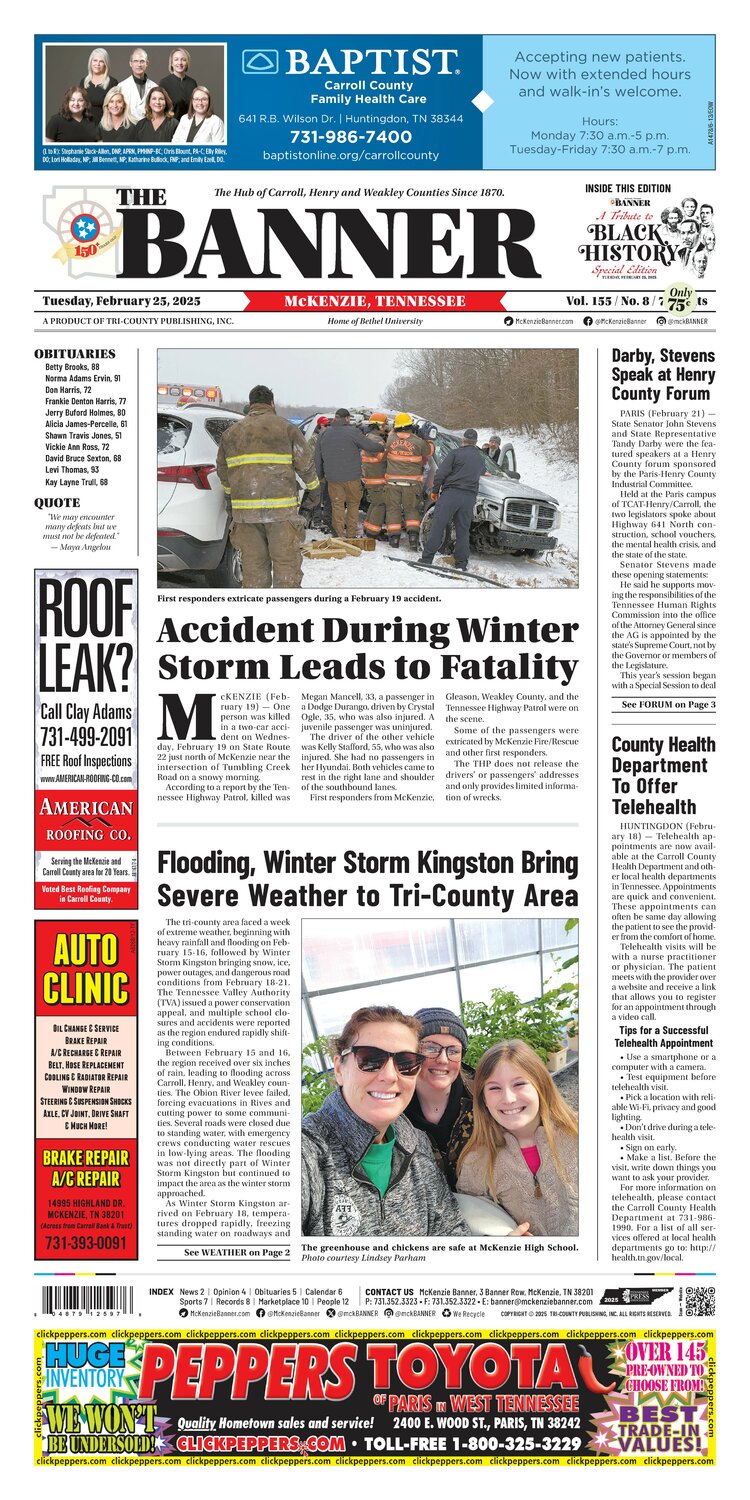
McKenzie Banner February 25, 2025
Feb 25, 2025 · Read the full issue →
Related Stories

Cash Express Honors McKenzie’s First Responders
McKENZIE (September 11) — On Friday, Cash Express honored McKenzie Police (MPD), McKenzie Fire & Rescue (MFD), and Baptist-Carroll County Ambulance first responders with cakes decorated with the American flag and cards signed by McKenzie businesses thanking them for their…
Sep 11, 2026
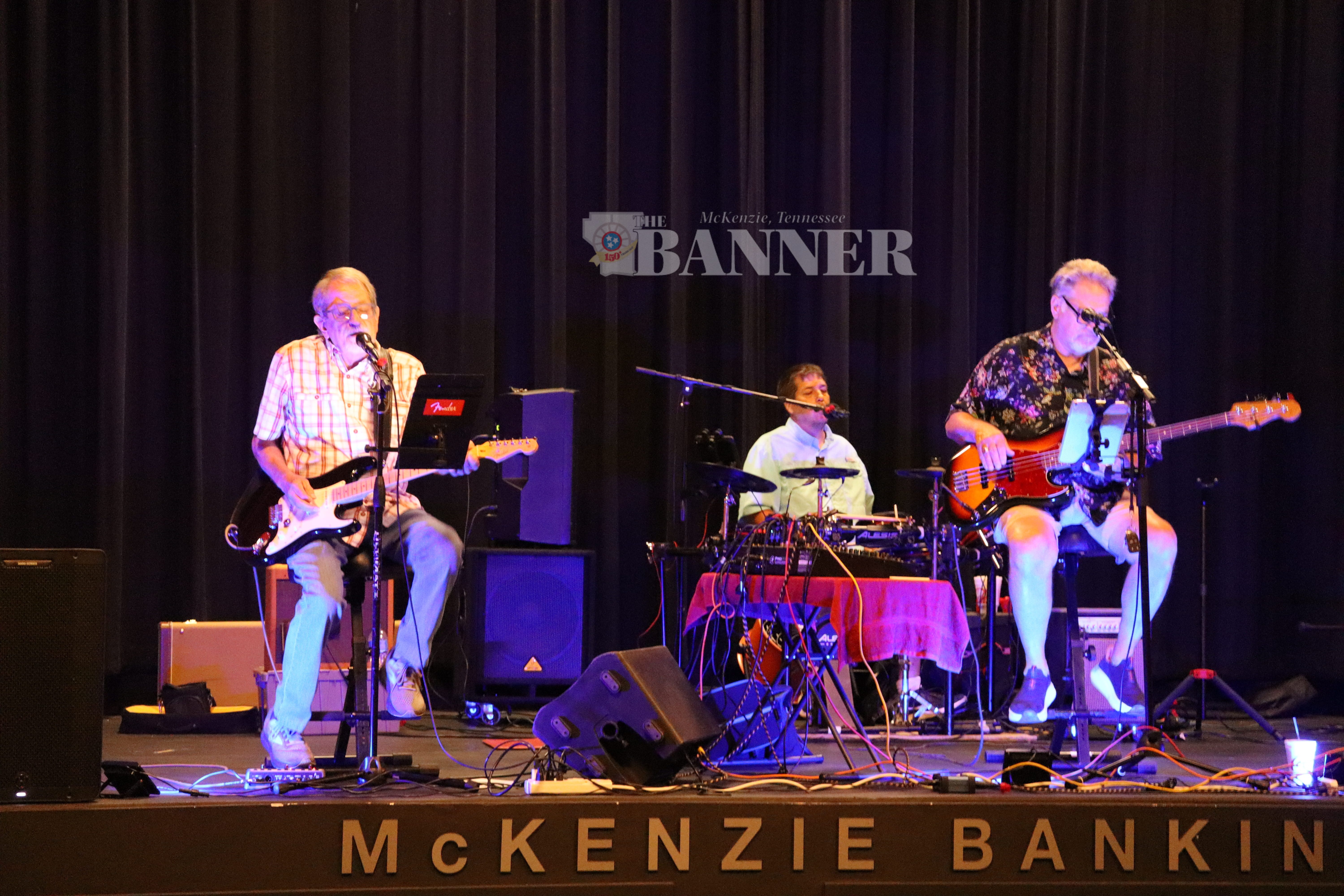
Wallace and Company Delights Crowd at Park Theatre
McKENZIE (September 3) — The Nights on Broadway concert series relocated inside the historic Park Theatre to beat the heat on Thursday. Wallace and Company delighted the crowd with a mix of classic rock and country music on the McKenzie Banking Company stage. Audience members…
Sep 8, 2026
Terry Community Rallies to Restore Water Access to Terry Community Park
Residents and supporters of Terry Community Park are coming together to solve a critical issue that has left local recreation grounds without running water. After the park’s primary water source was cut off, organizers launched a fundraising campaign aimed at funding the installation of a new well on the premises.
Sep 8, 2026
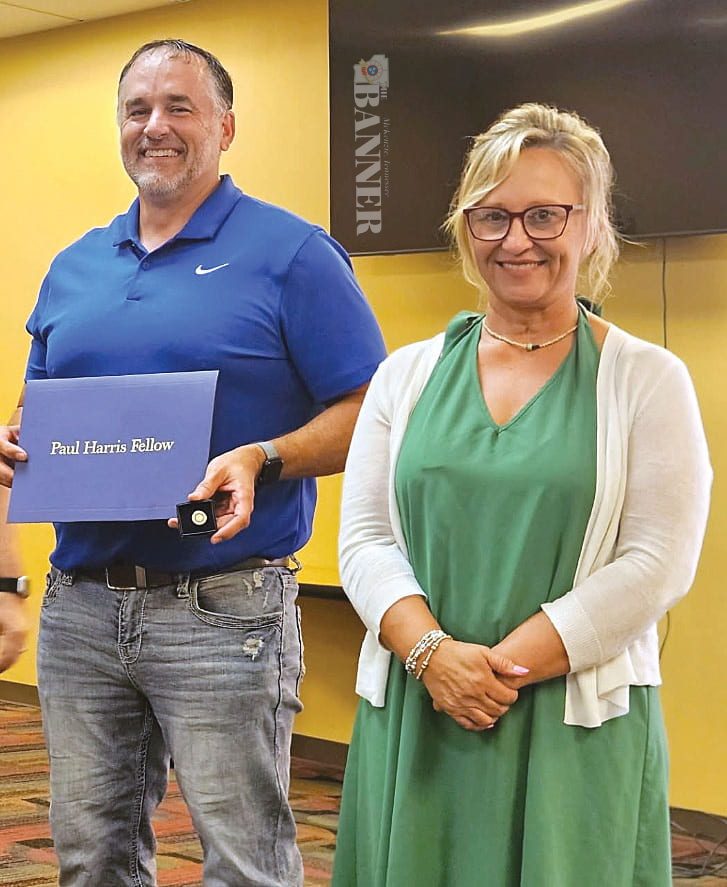
Matt Aird Named Paul Harris Fellow
McKENZIE — Matt Aird was recently recognized as a Paul Harris Fellow, the highest recognition bestowed by a Rotarian. The recognition was given in Aird’s honor by his wife, Misty Aird, who also had the honor of pinning her husband during the presentation. Club vice president and Foundation Chairman Jason R. Martin presented Aird with the Paul Harris Fellow certificate.
Sep 8, 2026