

The History and Impact of the Divine Nine
From the Feb 24, 2026 e-EditionBlack History Month often highlights the lasting influence of historically Black fraternities and sororities, commonly known as the “Divine Nine.”
The Divine Nine refers to the nine historically Black Greek-letter organizations that make up the National Pan-Hellenic Council (NPHC), founded in 1930 at Howard University. The organizations were established between 1906 and 1963 during a time when Black students were largely excluded from campus life and leadership opportunities.
The nine organizations are Alpha Phi Alpha Fraternity, Inc. (1906), Alpha Kappa Alpha Sorority, Inc. (1908), Kappa Alpha Psi Fraternity, Inc. (1911), Omega Psi Phi Fraternity, Inc. (1911), Delta Sigma Theta Sorority, Inc. (1913), Phi Beta Sigma Fraternity, Inc. (1914), Zeta Phi Beta Sorority, Inc. (1920), Sigma Gamma Rho Sorority, Inc. (1922) and Iota Phi Theta Fraternity, Inc. (1963).
Beyond social fellowship, these organizations were founded on principles of scholarship, service, leadership and advocacy. Members have historically played key roles in civil rights efforts, education initiatives and community development across the nation.
One of the most recognizable traditions of Divine Nine culture is the step show. Stepping is a rhythmic, synchronized performance art that uses clapping, stomping, chanting and coordinated movement to tell stories, express pride and represent organizational unity. The tradition draws influence from African dance, military drills and Black collegiate culture.
Closely related is strolling, a coordinated line dance performed by fraternity and sorority members at events and celebrations. Unlike stepping, strolling is typically done in a line formation to music, emphasizing unity and brotherhood or sisterhood.
Today, Divine Nine organizations continue to serve communities through mentorship programs, scholarships, voter registration efforts and service projects, maintaining a legacy that spans more than a century. Their traditions — from scholarship to stepping — remain a vibrant part of Black cultural and collegiate life.

In the e-Edition
McKenzie Banner February 24, 2026
Feb 24, 2026 · Read the full issue →
Related Stories
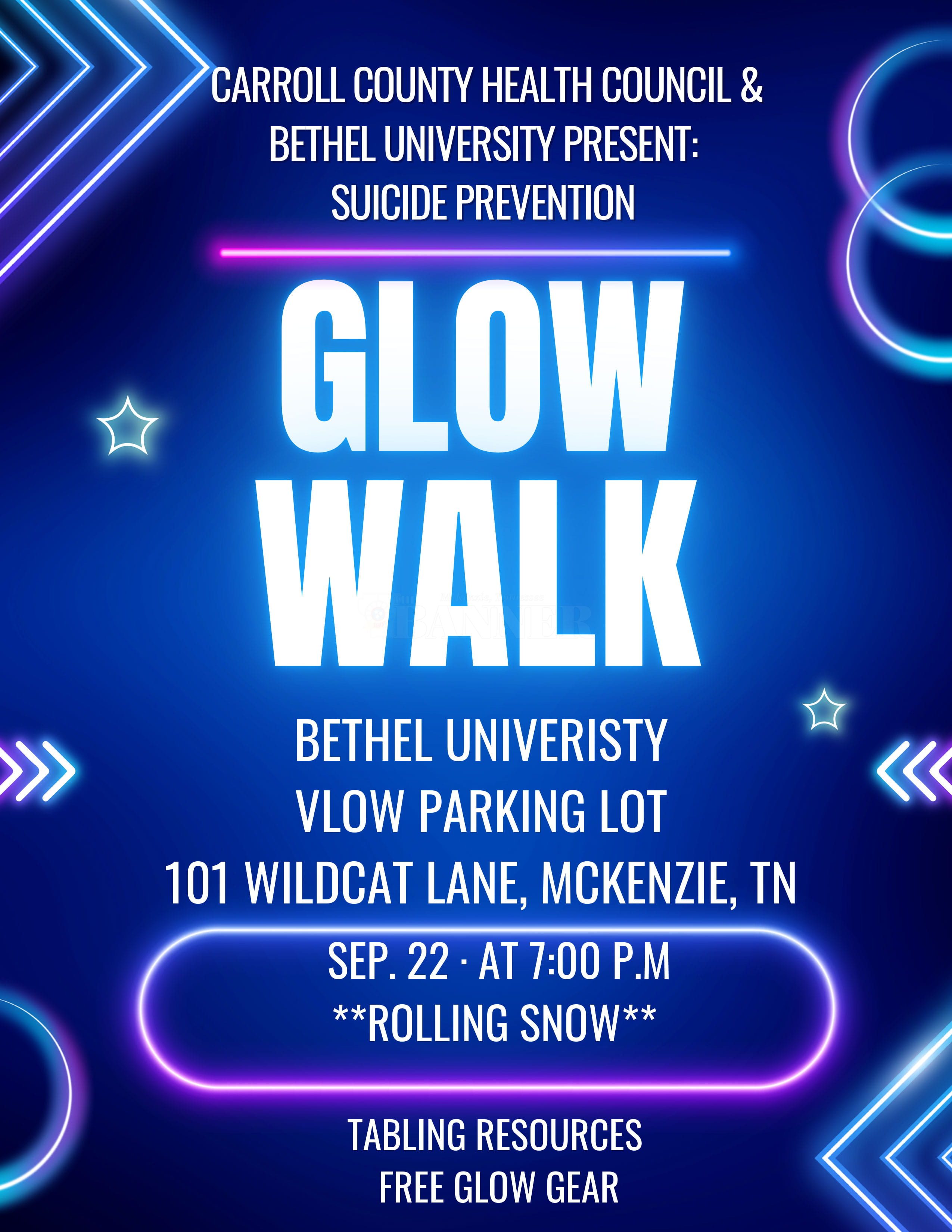
Glow Walk to Bring Awareness, Prevention of Suicide
McKENZIE, Tenn — The Carroll County Health Council, in partnership with Bethel University, will host a Suicide Prevention Glow Walk on Tuesday, Sept. 22, at 7 p.m. to raise awareness and bring community members together in support of suicide prevention.
Sep 13, 2026

Cash Express Honors McKenzie’s First Responders
McKENZIE (September 11) — On Friday, Cash Express honored McKenzie Police (MPD), McKenzie Fire & Rescue (MFD), and Baptist-Carroll County Ambulance first responders with cakes decorated with the American flag and cards signed by McKenzie businesses thanking them for their…
Sep 11, 2026
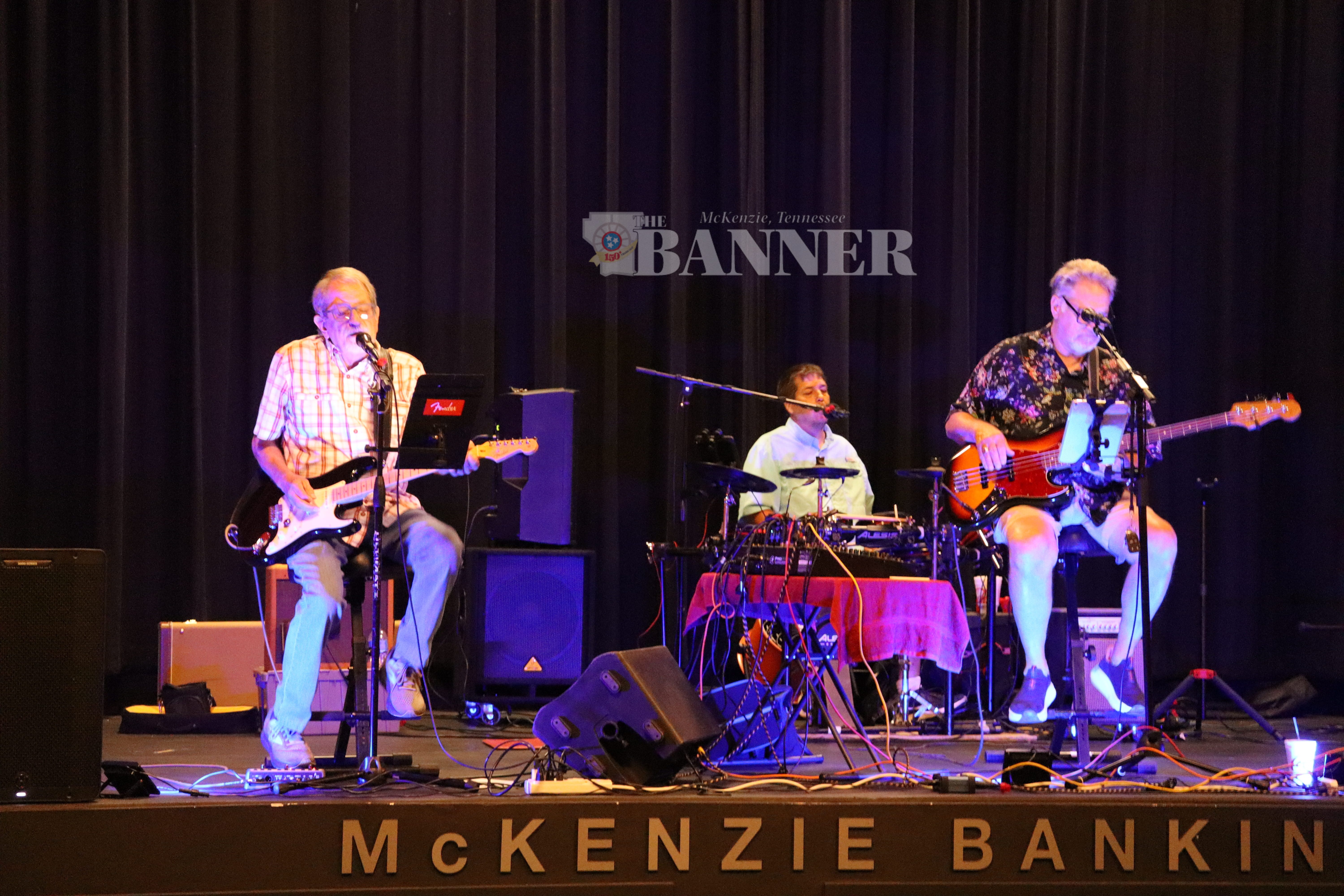
Wallace and Company Delights Crowd at Park Theatre
McKENZIE (September 3) — The Nights on Broadway concert series relocated inside the historic Park Theatre to beat the heat on Thursday. Wallace and Company delighted the crowd with a mix of classic rock and country music on the McKenzie Banking Company stage. Audience members…
Sep 8, 2026
Paris Landing Arts and Crafts Festival is September 12-13
The 26th annual Paris Lakeway Kiwanis Club Arts and Crafts Festival at Paris Landing State Park features over 115 local and regional crafters displaying and selling their handmade and hand-crafted items. The setting at Paris Landing State Park provides visitors with great views while shopping. There will also be food and beverage vendors, as well as a petting zoo. Admission and parking are free.
Sep 8, 2026