

Data Breach
It's Time to Update Your Passwords
From the Jun 24, 2025 e-EditionUNITED STATES (June 23) — A cybersecurity event involving 16 billion compromised login credentials has grabbed headlines this past week. Though experts emphasize this represents a compilation of previously stolen data rather than a single new data breach, it reiterates the importance of remaining vigilant online.
Researchers at Cybernews uncovered 30 exposed datasets containing login credentials from major platforms including Apple, Google, Facebook and government services. With 16 billion passwords, that’s equivalent to two leaked accounts for every person on the planet.
The collection appears similar to last year’s “Mother of all Breaches,” representing an aggregation of credentials gathered through various attack methods over time.
How the Data Was Collected
The credentials were gathered through multiple methods over time:
Infostealer Malware: Malicious software that infected users’ devices and harvested stored passwords from browsers and applications. These infostealers spread through malicious downloads, phishing emails, or compromised websites.
Previous Data Breaches: The collection includes credentials from various past corporate data breaches.
Credential Stuffing Attacks: Automated attempts to use stolen username/password combinations across multiple sites.
Additionally, credentials were obtained via data sold on dark web marketplaces.
What You Can Do Right Now To Protect Yourself
Security experts urge immediate action regardless of whether your specific information is included.
Here are simple, practical steps to protect yourself:
Change Your Passwords Right Away
If you’ve been using the same passwords for a long time, change them now! Think of it like changing the locks on your house — even if you’re not sure someone has your key, it’s better to be safe. Unlike your house keys, hackers are always trying to steal your passwords to break into your accounts. Start with your most important accounts like your bank, email, and any shopping sites where you have a credit card saved.
Use Different Passwords for Different Accounts
Never use the same password for multiple accounts. If criminals get into one account, they’ll try that same password on your bank, email, and other sites. It’s like having the same key for your house, car, and safe deposit box - if someone steals it, they can get into everything.
Make Your Passwords Stronger
Avoid short passwords like “password123,” use longer phrases that are easier to remember. For example, “MySisterLivesin38201!” is much stronger than “Jane1234” but still easy to remember. Include numbers, capital letters, and symbols when possible. You can also try book or song titles, lyrics, quotes or something else unique and memorable.
Turn On Two-Factor Authentication
This is like having a second lock on your door. Even if someone has your password, they’ll need a special code that gets sent to your phone to get in. Most banks, email providers, and shopping sites offer this. Yes, it’s an extra step, but it’s very effective protection.
Be Careful What You Click
Be suspicious! Never click on links in emails or text messages from people you don’t know, especially if they’re asking you to log into an account. When in doubt, always go directly to the website by typing it into your browser instead of clicking the link; or call the company directly. Don’t use or trust any information provided in the message received.
Keep Your Computer Updated
Install updates when your computer or phone asks you to. These updates often fix security problems that criminals try to exploit.
Check Your Accounts Regularly
Look at your bank statements and credit card bills every month. If you see charges you didn’t make, call your bank immediately.
Write Down Your Passwords Safely
If you need to write down passwords, keep them in a secure place in your home, not in your wallet or purse. Consider a small notebook that you keep in a drawer or safe.
The most important thing to remember: if something seems suspicious with your accounts, don’t ignore it. Call your bank or the company directly using the phone number on your statement, not any number from an email or text message.
Freeze Your Credit
If you suspect your personal information or identity was stolen, placing a credit freeze can help protect you from fraud. A credit freeze, also known as a security freeze, prevents credit bureaus from releasing your credit report to potential lenders or other companies without your explicit consent. When a creditor tries to access your credit report after a freeze is in place, they will be notified that the report is frozen and may be unable to proceed with the application. You can freeze your credit with each of the three major credit bureaus (Equifax, Experian, and TransUnion) online, by phone, or by mail. Placing, lifting, or removing a credit freeze is free. A credit freeze is a powerful tool for preventing identity theft, as it makes it much more difficult for someone to open new accounts in your name. Be aware, you’ll need to lift or temporarily thaw the freeze when you need to apply for new credit or loans.
Lock Your Cards
Card locking temporarily disables your debit or credit card to prevent unauthorized use while keeping your account active.
What Gets Blocked: New purchases (in-store and online), ATM withdrawals and cash advances.
What continues: Recurring payments like subscriptions and bills.
Can be used when you have misplaced a card to prevent unauthorized use while you search; stops fraud if card info is compromised; protects rarely-used cards from unauthorized charges.
Key Features: Available through mobile apps or online banking. Sends alerts when someone tries to use your locked card. Easy to unlock when needed.
Important Limitations: Won’t stop already-authorized or pending transactions. Digital wallet payments may still work when a physical card is locked. If a card is stolen or you see fraud, report it immediately for a replacement card.
Card locking offers convenient, temporary protection without canceling your card entirely.
By employing these methods, you can stay one step ahead of criminals and keep your identity safe online.

In the e-Edition
McKenzie Banner June 24, 2025
Jun 24, 2025 · Read the full issue →
Related Stories

West Carroll Students Attend "Flip the Switch" at Solar Farm
West Carroll students had the opportunity to be part of an exciting moment for our local community this week as they attended the Trezevant Solar Farm “Flip the Switch” event!
Sep 13, 2026

Cash Express Honors McKenzie’s First Responders
McKENZIE (September 11) — On Friday, Cash Express honored McKenzie Police (MPD), McKenzie Fire & Rescue (MFD), and Baptist-Carroll County Ambulance first responders with cakes decorated with the American flag and cards signed by McKenzie businesses thanking them for their…
Sep 11, 2026
Trezevant Solar Farm Flip-the-Switch Event Happening Now
Carroll County Electric Department (CCED) and Tennessee-based Silicon Ranch , owner and operator of one of the nation’s largest fleets of solar facilities and a community-focused energy infrastructure company, invite you to attend a “Flip-the-Switch” ceremony for the new…
Sep 10, 2026
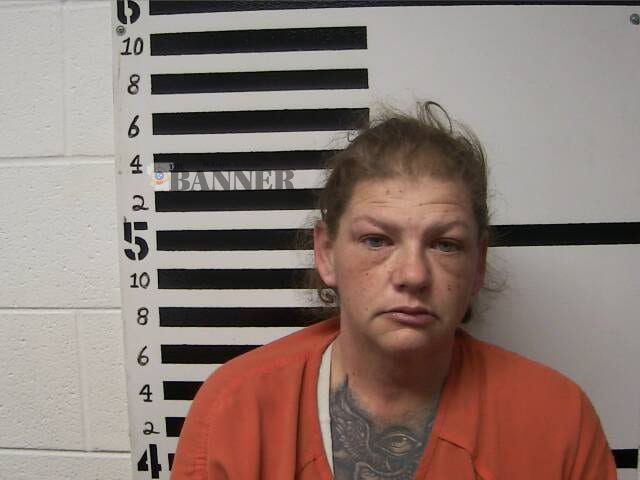
Cunningham Indicted in Death of Weakley County Deputy
DRESDEN (September 1) — A Weakley County Grand Jury has indicted Khristi Dawn Cunningham in connection with the January shooting death of Weakley County Sheriff's Deputy Derrick Bonham, and prosecutors have filed notice that they intend to seek the death penalty if she is convicted of first-degree murder.
Sep 8, 2026