
Local RN Highlights Life-Changing Benefits of Pulmonary Rehab at Baptist Memorial Hospital-Carroll County
From the Mar 17, 2026 e-Edition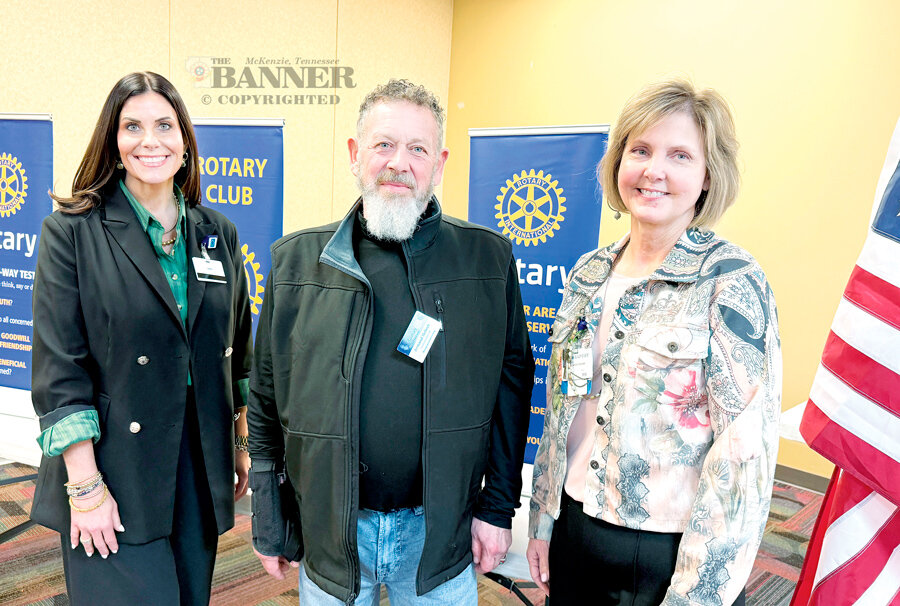
McKENZIE (February 24) — Many are familiar with cardiac rehabilitation, but a vital program for chronic lung disease sufferers often goes unnoticed. Cindy Cole, a Registered Nurse at Baptist Memorial Hospital-Carroll County, is on a mission to change that, shedding light on the power of pulmonary rehabilitation.
Cole was the featured speaker at the meeting of the McKenzie Rotary Club.
“Have you ever been so short of breath that you were afraid to move?” Cole began, illustrating the daily struggle of her patients. “That’s how these people feel every single day. They can’t get through a single task without becoming short of breath”.
Pulmonary rehab, unlike cardiac rehab, focuses on helping patients with chronic lung diseases like COPD, asthma, emphysema, and chronic bronchitis to “live with what they have” rather than offering a cure. The program also extends its reach to lung transplant patients and those grappling with respiratory issues post-COVID.
The Silent Epidemic of COPD
Chronic Obstructive Pulmonary Disease (COPD) is a significant health challenge, ranking among the leading causes of disability and death in the United States. An estimated 15 to 16 million people have a diagnosis, with many more undiagnosed. In rural areas such as Carroll County, the prevalence can be as high as 10% of the population. While smoking is a well-known culprit.
The impact of COPD is substantial, leading to thousands of emergency room visits and hospitalizations annually, placing a considerable burden on patients and the healthcare system, with costs soaring into the billions.
An Underutilized Lifeline
Despite its profound benefits, pulmonary rehab remains “one of the most underutilized services” available to these patients. Cole attributes this to a lack of awareness, even among healthcare providers. She noted that referrals are not exclusive to pulmonologists; primary care physicians, who often manage COPD patients in rural settings, can and should refer patients.
A Comprehensive Approach to Breathing Easier
The program typically spans six to twelve weeks, with sessions two to three times a week. It incorporates exercise, breathing retraining, and extensive education. “We use a treadmill to teach you how to walk at Walmart when you are doing your groceries,” Cole explained, highlighting the practical, real-world application of the exercises. Patients learn to pace themselves and control their breathing, a challenging yet ultimately rewarding skill that dramatically improves their well-being.
Education is a cornerstone of the program, covering proper medication use, handling inhalers and oxygen equipment, and understanding how the lungs function. A critical objective is to prevent hospitalizations by empowering patients to recognize and manage symptom flare-ups effectively.
Transformative Outcomes and Support
Patients often arrive feeling defeated, but within weeks, they experience significant improvements. Cole shared inspiring stories of individuals regaining the ability to perform everyday tasks, like yard work, or returning to cherished hobbies they had abandoned due to respiratory challenges. Beyond physical gains, the program reduces shortness of breath, increases activity tolerance, and markedly improves mood and overall quality of life. Addressing anxiety and depression, common companions of breathing difficulties, is also a key focus, with patients learning calming techniques like pursed-lip and abdominal breathing.
Pulmonary rehab employs a multidisciplinary team of nurses, providers, and respiratory therapists, who maintain continuous communication with referring physicians. The American Thoracic Society and the American Lung Association both highly recommend pulmonary rehab.
The program is widely accessible, with coverage typically provided by Medicare, commercial insurance, and TennCare. For those facing financial barriers, such as Medicare patients without a supplement, the hospital works to find solutions, including self-pay maintenance programs.
Recognizing the Warning Signs
Early indicators of lung disease include a persistent chronic cough and increasing shortness of breath during once easy activities. Diagnosis typically involves a pulmonary function study or a CT scan. Cole also issued a warning about vaping, stating it is “just as bad as smoking,” and potentially worse, particularly given its prevalence among teenagers.
Cole encourages anyone who knows someone struggling with COPD or other lung conditions to consider pulmonary rehab. Referrals can originate from primary care providers or pulmonologists, or individuals can contact the hospital directly for assistance. The program is conveniently located within Baptist Memorial Hospital-Carroll County, ensuring immediate access to medical support if needed.
In the e-Edition
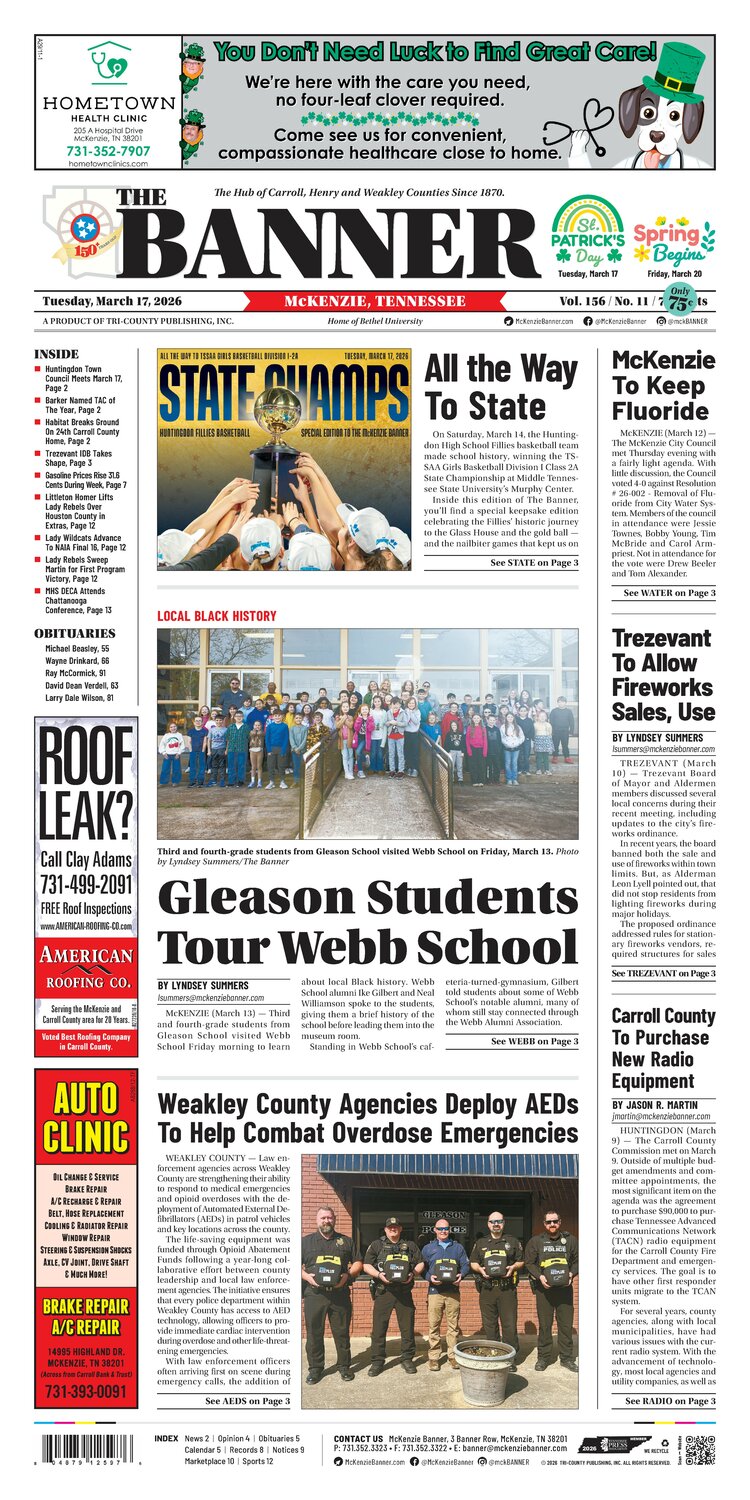
McKenzie Banner March 17, 2026 + All the Way to STATE CHAMPS: Fillies Basketball 2026
Mar 17, 2026 · Read the full issue →
Related Stories
Glow Walk to Bring Awareness, Prevention of Suicide
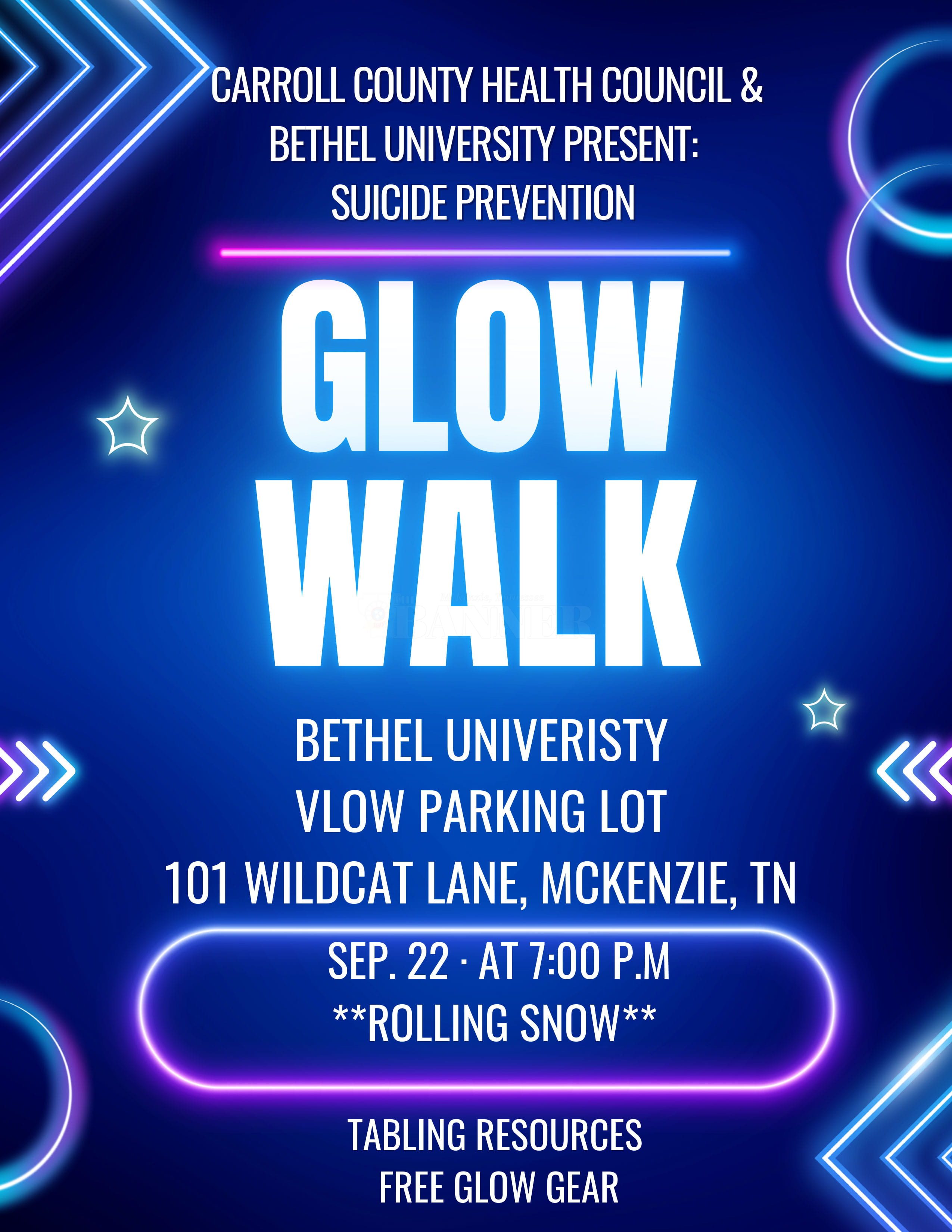
McKENZIE, Tenn — The Carroll County Health Council, in partnership with Bethel University, will host a Suicide Prevention Glow Walk on Tuesday, Sept. 22, at 7 p.m. to raise awareness and bring community members together in support of suicide prevention.
Sep 13, 2026

Cash Express Honors McKenzie’s First Responders
McKENZIE (September 11) — On Friday, Cash Express honored McKenzie Police (MPD), McKenzie Fire & Rescue (MFD), and Baptist-Carroll County Ambulance first responders with cakes decorated with the American flag and cards signed by McKenzie businesses thanking them for their…
Sep 11, 2026
Wallace and Company Delights Crowd at Park Theatre
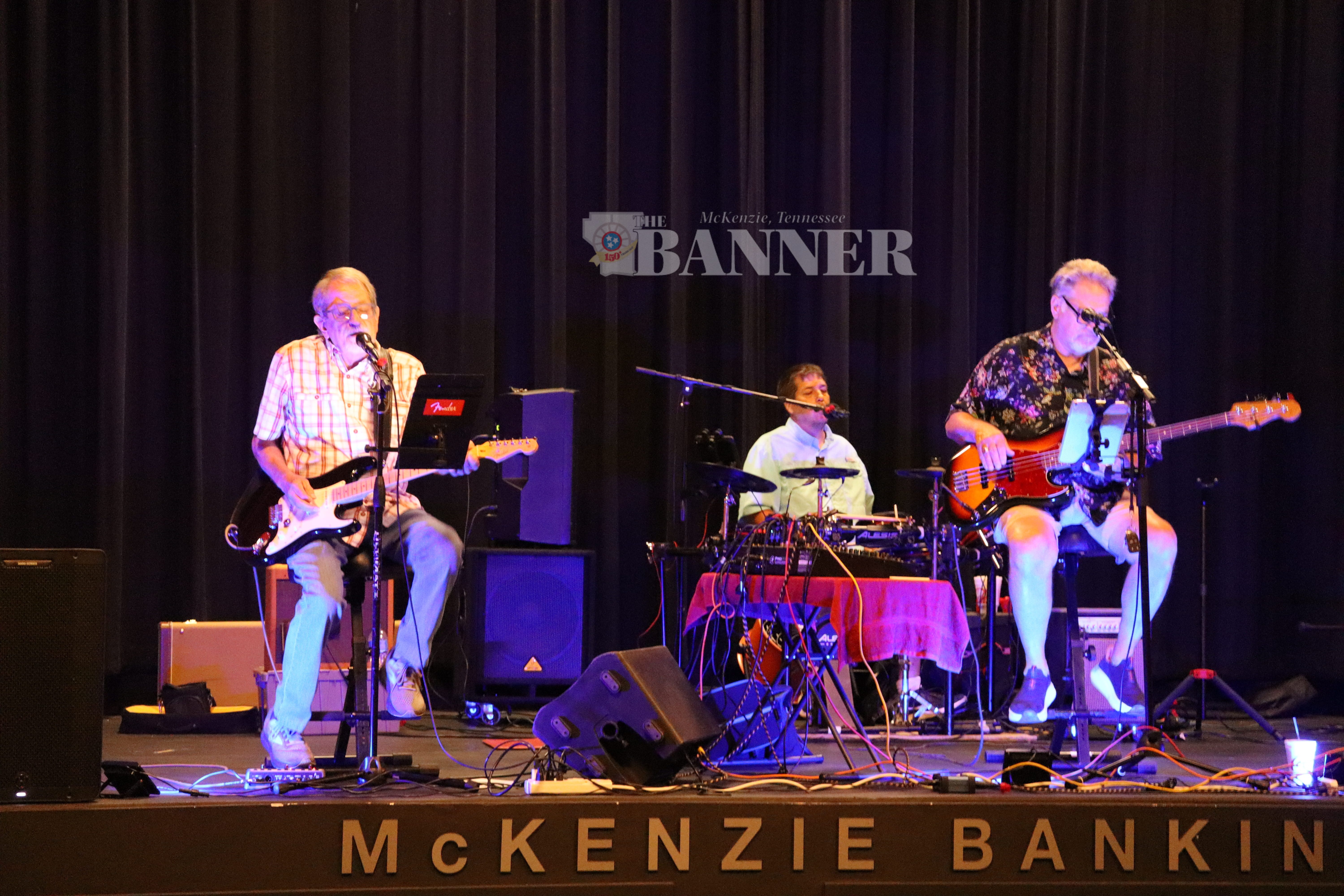
McKENZIE (September 3) — The Nights on Broadway concert series relocated inside the historic Park Theatre to beat the heat on Thursday. Wallace and Company delighted the crowd with a mix of classic rock and country music on the McKenzie Banking Company stage. Audience members…
Sep 8, 2026
Paris Landing Arts and Crafts Festival is September 12-13
The 26th annual Paris Lakeway Kiwanis Club Arts and Crafts Festival at Paris Landing State Park features over 115 local and regional crafters displaying and selling their handmade and hand-crafted items. The setting at Paris Landing State Park provides visitors with great views while shopping. There will also be food and beverage vendors, as well as a petting zoo. Admission and parking are free.
Sep 8, 2026