

Rotarians Learn About West Tennessee Public Utilities
From the Jan 20, 2026 e-Edition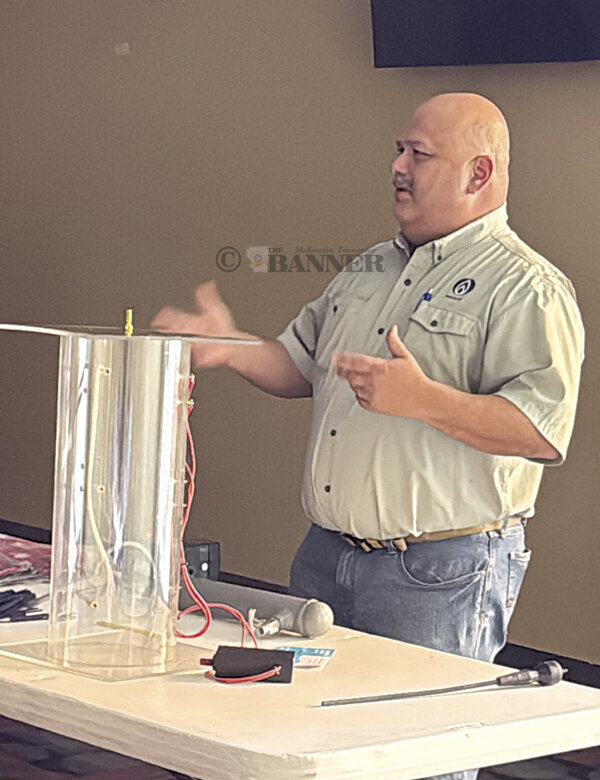
McKENZIE (January 6) — Curt Taylor, a representative of the West Tennessee Public Utility District and a first responder, was the featured speaker at the January 6 meeting of the McKenzie Rotary Club. Taylor spoke about the advantages of natural gas, the company’s services, and safety around gas.
He said his dual role as a first responder and as an associate of West Tennessee Public Utilities allows him to regularly train rural volunteer fire departments across the five counties served by WTPU.
The West Tennessee Public Utility District (WTPUD) employs around 70 people, with additional summer help for tasks like painting gas meters. It is chartered in Weakley, Carroll, and Benton counties and also serves parts of Henry and Henderson counties.
Full Service Department: WTPU personnel manage everything from running gas lines to homes to repairing natural gas appliances.
Free Light-Up Program: From August 1 to September 30, WTPU offers free safety checks for heating appliances.
Construction and Maintenance: Five underground construction crews install new lines, while three other trucks handle pipeline integrity, including corrosion prevention and annual regulator station checks.
Customer Service: WTPU has four customer service representatives who are the frontline for handling calls and customer concerns.
24/7 On-Call Service: The company provides around-the-clock response for any gas-related concerns. If you smell gas, call WTPU immediately, and someone will come to investigate at no charge.
Natural gas is transported through large transmission pipelines, such as the Tennessee Gas Pipeline, which runs from the Gulf of Mexico to Pennsylvania. When extracted, gas has no odor. WTPU injects a mercaptan odorant so leaks can be detected by smell.
The industry is regulated by the Tennessee Public Utility Commission and the federal Pipeline and Hazardous Materials Safety Administration (PHMSA). Contrary to some beliefs, natural gas is a sustainable and abundant resource, with reserves expected to last for hundreds of years.
Identifying a Gas Line
You can identify the presence of natural gas lines by:
Signs and Markers: Yellow signs or pipes indicate gas lines are in the area, though not always at the exact location of the sign.
Rights-of-Way: Cleared and mowed paths, similar to those for power lines, often mark the route of underground pipelines.
Regulator Stations: Small buildings or fenced-in equipment regulate gas pressure for local distribution.
Recognize, React, and Respond
Follow these three steps if you suspect a gas leak:
Recognize
Identify a leak by:
Smell: The most common sign is the distinct odor of mercaptan.
Sound: A blowing or hissing noise can indicate a high-pressure leak.
Sight: Look for blowing dirt, bubbling water, or patches of dead vegetation, which occur when gas displaces oxygen in the soil.
React
If you suspect a leak:
Indoors: Evacuate everyone immediately. Do not operate light switches, doorbells, or phones, as they can create a spark. Leave the building and stay at least 300 feet away. You can turn off the gas at the valve near your meter with a crescent wrench.
Outdoors: Leave the area, moving uphill and upwind. Natural gas is lighter than air and will rise and dissipate. Never attempt to stop a leak yourself by covering the pipe, as static electricity can cause an ignition.
Respond
Call 911 or, preferably, call WTPU directly. Our trained technicians know how to handle the situation safely and effectively.
Natural Gas Safety Demonstration
Natural gas is only flammable within a specific range of 5% to 15% concentration in the air.
Lighter than Air: Gas will rise and accumulate near the ceiling.
Ignition Risk: Any spark—from a light switch to a cell phone—can ignite gas within its flammable range.
Evacuation is Critical: Opening and closing a door can introduce enough oxygen to raise a gas concentration to the flammable range, creating an explosive environment. Once you are out, stay out.
At the conclusion of his presentation, Taylor provided a visual demonstration of how small amounts of natural gas can accumulate and provide the fuel for a flame originating from a small spark. The demonstration was in an enclosed tabletop container, in which Taylor pumped a small amount of natural gas and then added a spark for ignition.
McKenzie Rotary Club meets each Tuesday in the Activities Room in the Vera Low Center on the campus of Bethel University.
In the e-Edition
McKenzie Banner January 20, 2026
Jan 20, 2026 · Read the full issue →
Related Stories
Glow Walk to Bring Awareness, Prevention of Suicide
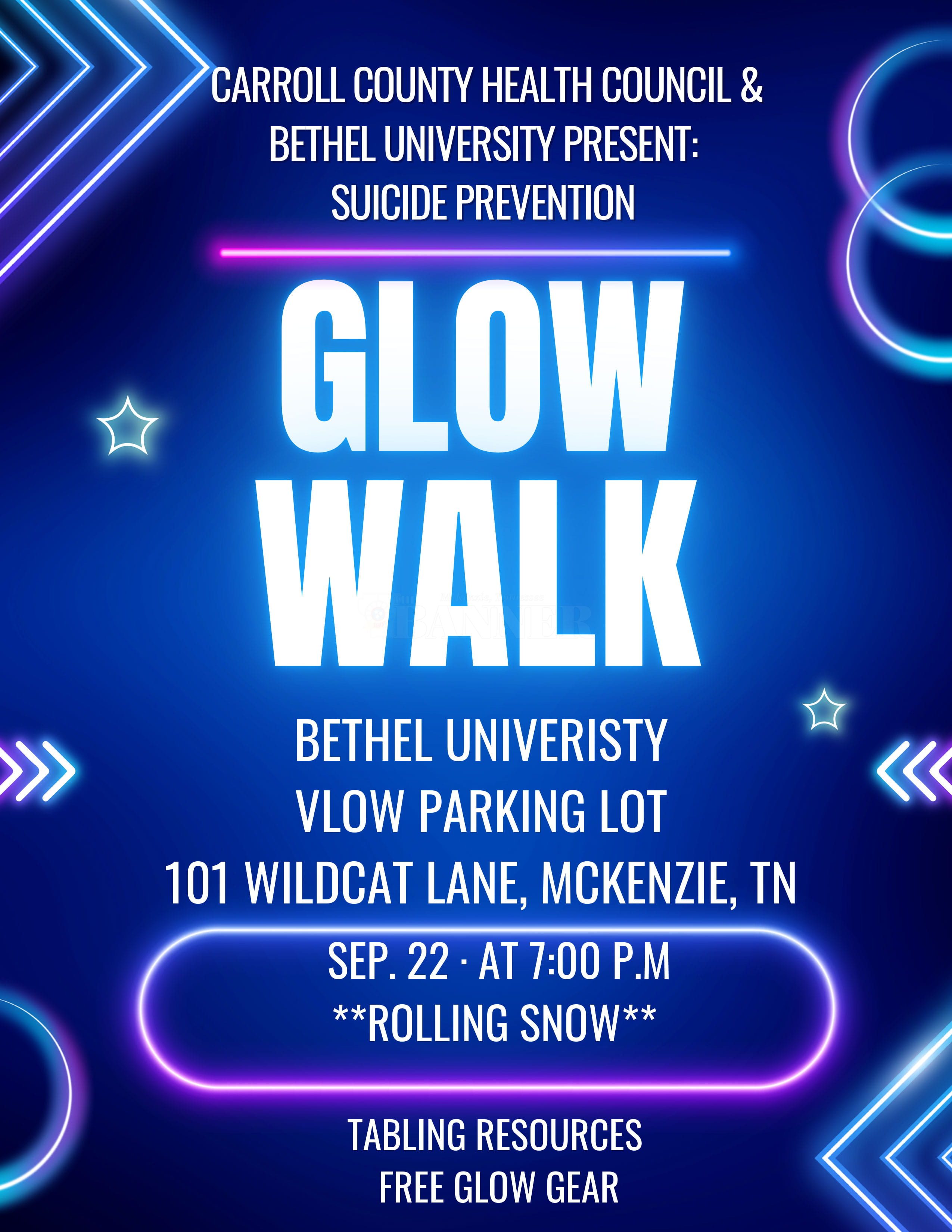
McKENZIE, Tenn — The Carroll County Health Council, in partnership with Bethel University, will host a Suicide Prevention Glow Walk on Tuesday, Sept. 22, at 7 p.m. to raise awareness and bring community members together in support of suicide prevention.
Sep 13, 2026

Cash Express Honors McKenzie’s First Responders
McKENZIE (September 11) — On Friday, Cash Express honored McKenzie Police (MPD), McKenzie Fire & Rescue (MFD), and Baptist-Carroll County Ambulance first responders with cakes decorated with the American flag and cards signed by McKenzie businesses thanking them for their…
Sep 11, 2026
Wallace and Company Delights Crowd at Park Theatre
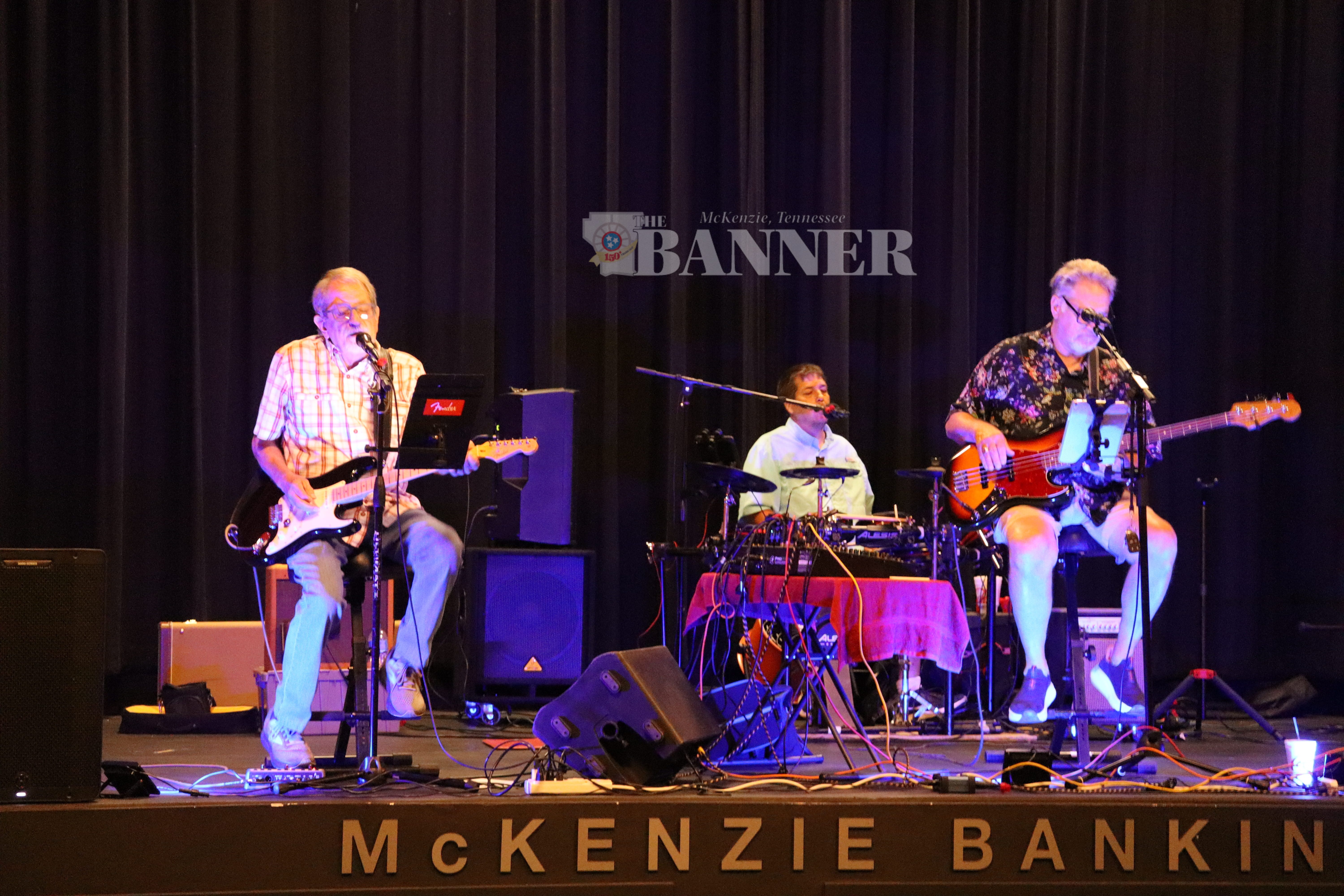
McKENZIE (September 3) — The Nights on Broadway concert series relocated inside the historic Park Theatre to beat the heat on Thursday. Wallace and Company delighted the crowd with a mix of classic rock and country music on the McKenzie Banking Company stage. Audience members…
Sep 8, 2026
Paris Landing Arts and Crafts Festival is September 12-13
The 26th annual Paris Lakeway Kiwanis Club Arts and Crafts Festival at Paris Landing State Park features over 115 local and regional crafters displaying and selling their handmade and hand-crafted items. The setting at Paris Landing State Park provides visitors with great views while shopping. There will also be food and beverage vendors, as well as a petting zoo. Admission and parking are free.
Sep 8, 2026