

Hospital Wing Transformed Rural Emergency Transportation, Expands to Carroll County
From the May 26, 2026 e-Edition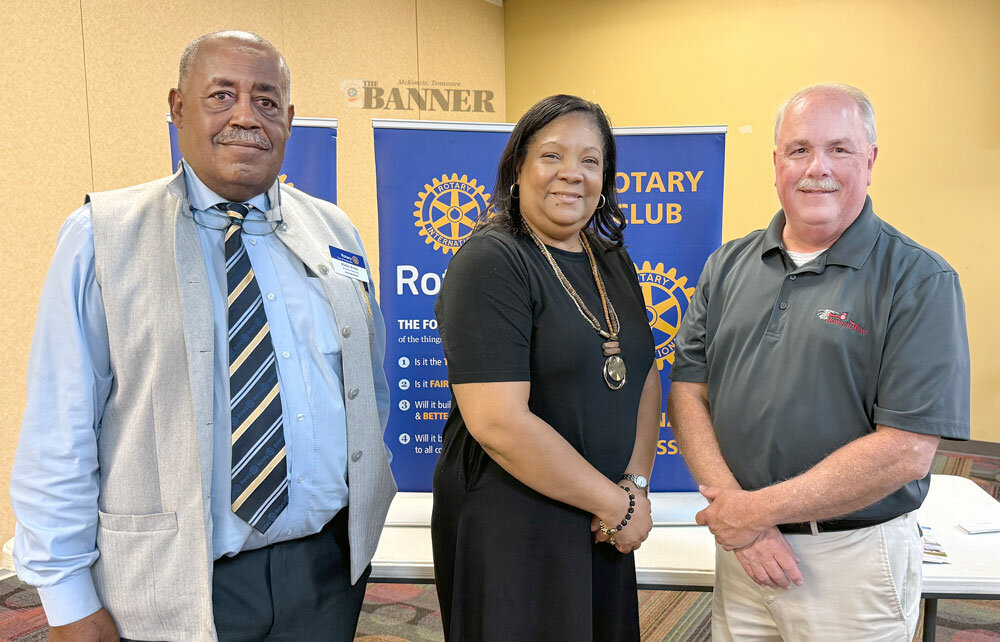
McKENZIE (May 19) — When an emergency strikes in rural West Tennessee, the difference between life and death is often measured in minutes. For four decades, those minutes have been reduced by the rotor blades of Hospital Wing.
In a presentation to the McKenzie Rotary Club, Andy Rice, an administrator with Hospital Wing, a veteran flight nurse and paramedic with the air and ground medical transport organization, detailed how a service forged in the crucible of 20th-century warfare has become an indispensable economic and lifesaving pillar of Carroll County.
The concept of air medical transport was born out of necessity during the Korean and Vietnam wars. Military “Dust Off” missions proved that rapidly evacuating wounded soldiers from the front lines to field hospitals drastically increased survival rates.
“By the mid-to-late 1970s, those battlefield lessons began shifting to civilian use,” Rice explained, noting early local experiments involving Memphis Police Department helicopters and Methodist Hospital nurses.
By 1986, a consortium of Memphis healthcare giants—Baptist Hospital, Methodist Hospital, and the Regional Medical Center (The Med)—joined forces to officially found Hospital Wing. Celebrating its 40th anniversary this year, the organization has grown from just two aircraft in Memphis to a massive regional network spanning West Tennessee, North Mississippi, and Eastern Arkansas.
A crucial milestone in that expansion occurred in 2024, when Hospital Wing opened a daybase at the Baptist Hospital-Carroll County and later opened an expanded base at McKenzie Airport in Carroll County, following a successful collaboration with local city and county mayors, the Chamber of Commerce, and the airport board. To further streamline local operations, a dedicated hangar is slated for construction in the third quarter of 2026.
Hospital Wing operates a fleet of advanced Airbus H130 helicopters, each valued at approximately $4 million. Unlike older, cramped airframes where medical staff could barely move, these modern aircraft feature wide cabins that allow the medical crew—consisting of a flight nurse and a flight medic—to leave their seats and fully access the patient in flight.
The capabilities of these flying intensive care units are staggering:
Field Transfusions: Reserve blood is carried on every flight, along with IV fluids and other life-saving medical supplies. Rice recalled a recent harrowing case where the crew successfully resuscitated a patient with substantial blood loss right in the base parking lot.
Advanced Diagnostics: Crews utilize portable ultrasound machines to assess internal injuries mid-air.
Night Vision Operations: The entire crew uses night-vision goggles to navigate dark rural terrain, while pilots rely heavily on advanced autopilot systems to ensure maximum safety.
The aircraft divide their time between “scene flights”—responding directly to car crashes, falls, and trauma emergencies—and hospital-to-hospital transfers, whisking patients from rural facilities to specialized tertiary centers.
Time is the ultimate commodity. From the Carroll County base, flight times are remarkably brief:
Jackson - 15 minutes; Nashville - 35 minutes; and Memphis - 40 minutes. For specialized pediatric emergencies, Hospital Wing partners with Le Bonheur Children’s Hospital in Memphis, putting Le Bonheur’s dedicated pediatric nurse and respiratory therapist teams into the sky.
“Weather is our daily hurdle,” Rice noted, emphasizing that the FAA enforces strict weather minimums. If thunderstorms pose an excessive risk, crews will pivot and accompany patients by ground ambulance. And if the worst happens? “Our pilots train every six months in auto-rotation, meaning they can land the helicopter safely in about 30 seconds even if the engine fails.”
Behind the local crew is massive corporate backing. In 2021, Hospital Wing was acquired by Med-Trans Corporation, a subsidiary of Global Medical Response (GMR). In a major financial move, GMR went public on the New York Stock Exchange earlier this month under the ticker GMRS.
Despite its international corporate structure, Hospital Wing remains deeply intertwined with the local economy and community fabric.
In 2025 alone, the organization spent $36,500 on fuel at the county’s airport in McKenzie, alongside a $3,500 monthly lease that goes directly back into county infrastructure.
Rice highlighted the protections offered by the 2022 No Surprises Act, which shields patients from exorbitant out-of-network bills. Additionally, GMR offers an AirMedCare Network membership for $99 a year per family ($79 for seniors) that covers out-of-pocket costs across all GMR brands nationwide.
Ultimately, Rice stresses that Hospital Wing wants to be viewed as a neighbor, not just an emergency service. Residents can frequently spot the crew teaching FAA-sponsored emergency classes at the airport, participating in career days at the Carroll County Technology Center, flying into local Christmas parades, or buying toys for the Sheriff’s Department’s “Shop with a Cop” drive and the McKenzie First Responders’ Shop with a First Responder.
As the organization looks toward the construction of its new McKenzie hangar later this year, its forty-year mission remains unchanged: keeping the lifeline open between rural Tennessee and the life-saving care they deserve.
In the e-Edition
McKenzie Banner May 26, 2026 + Graduation Keepsake Edition 2026
May 26, 2026 · Read the full issue →
Related Stories
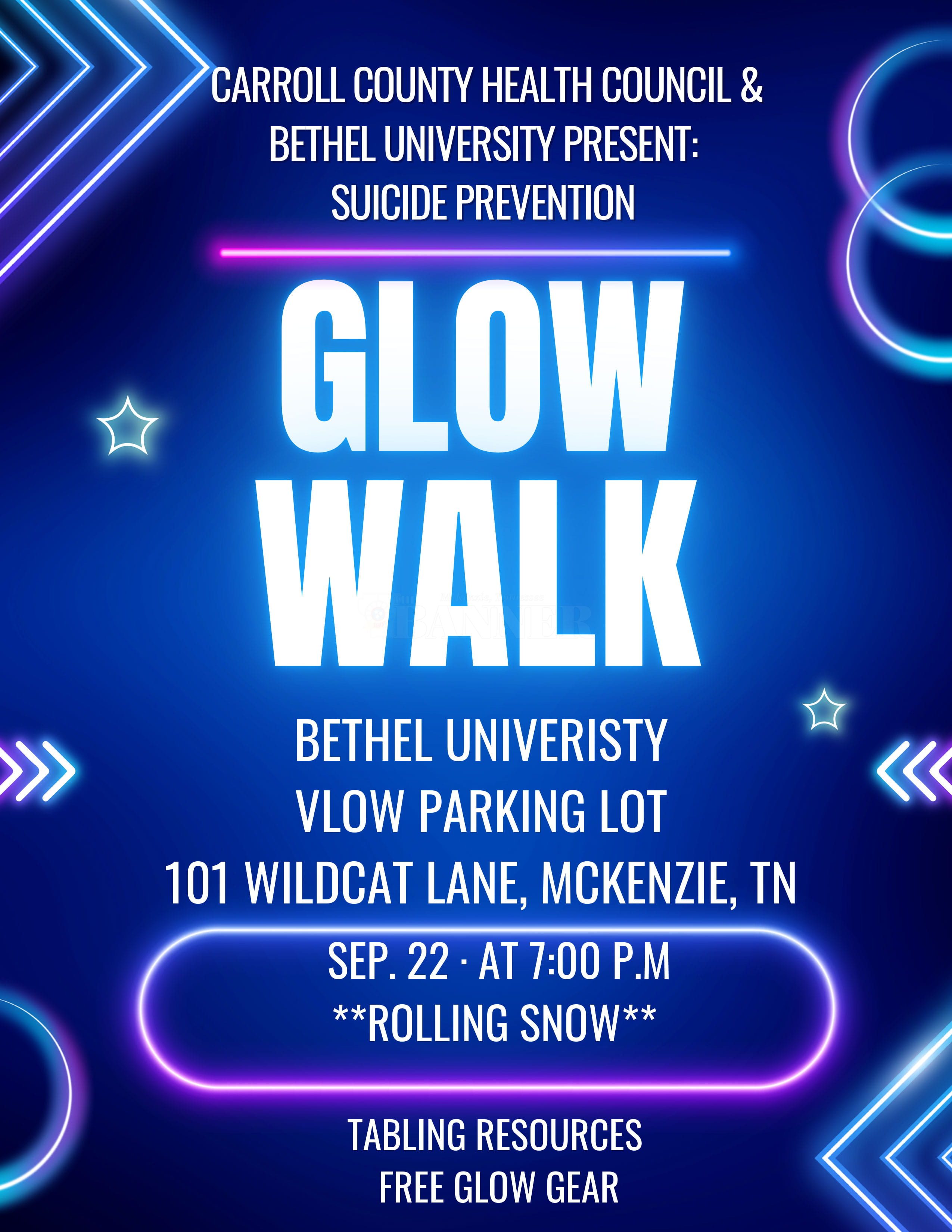
Glow Walk to Bring Awareness, Prevention of Suicide
McKENZIE, Tenn — The Carroll County Health Council, in partnership with Bethel University, will host a Suicide Prevention Glow Walk on Tuesday, Sept. 22, at 7 p.m. to raise awareness and bring community members together in support of suicide prevention.
Sep 13, 2026

Cash Express Honors McKenzie’s First Responders
McKENZIE (September 11) — On Friday, Cash Express honored McKenzie Police (MPD), McKenzie Fire & Rescue (MFD), and Baptist-Carroll County Ambulance first responders with cakes decorated with the American flag and cards signed by McKenzie businesses thanking them for their…
Sep 11, 2026

Wallace and Company Delights Crowd at Park Theatre
McKENZIE (September 3) — The Nights on Broadway concert series relocated inside the historic Park Theatre to beat the heat on Thursday. Wallace and Company delighted the crowd with a mix of classic rock and country music on the McKenzie Banking Company stage. Audience members…
Sep 8, 2026
Paris Landing Arts and Crafts Festival is September 12-13
The 26th annual Paris Lakeway Kiwanis Club Arts and Crafts Festival at Paris Landing State Park features over 115 local and regional crafters displaying and selling their handmade and hand-crafted items. The setting at Paris Landing State Park provides visitors with great views while shopping. There will also be food and beverage vendors, as well as a petting zoo. Admission and parking are free.
Sep 8, 2026